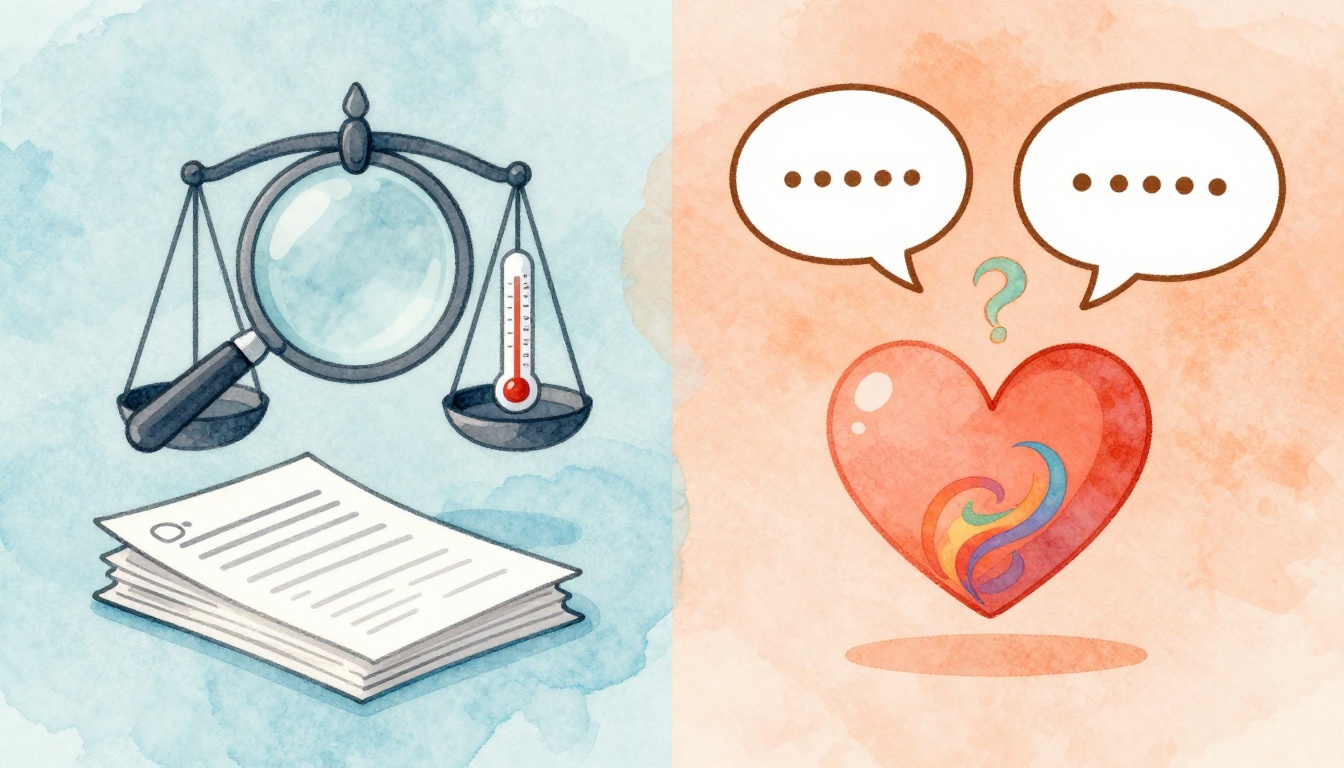
Picture this. You scroll TikTok amid the 2026 Texas primaries. A video blasts a candidate as the reason the economy will crash. Likes explode. Shares skyrocket. But wait. Does that claim hold water, or is it just hot air?
Facts confuse with opinions daily. Facts stay provable. Water boils at 100 degrees Celsius. That’s true anywhere. Opinions shift with feelings. Chocolate ice cream tastes best. That’s your call. Social media mixes them. Cable news blurs lines. AI deepfakes add tricks. Studies show the mess. A 2018 Pew survey found only 26% of U.S. adults nailed all facts in news sentences. A 2024 University of Illinois study pegged 45.7% at coin-flip levels on current events. Party bias trips most people.
You need this skill now. Echo chambers lock views. Foreign actors push AI lies, per U.S. intelligence. Yet you can spot differences fast. No expert degree required. These steps cut through noise. You’ll make smarter calls on headlines. Let’s start with basics.
Spot the Core Differences Between Facts and Opinions
Facts rely on evidence. Data backs them. Dates prove them. Numbers measure them. Take the 2020 presidential election. It happened November 3. Records confirm it. No debate.
Opinions reflect views. They use loaded words. “Best” pops up. “Worst” follows. “Should” demands action. These flag personal takes. Facts hold everywhere. Opinions change by person.
Check sources first. Does the writer show expertise? A doctor’s stat on health beats a random tweet. For deeper research on this skill, see the Harvard Misinformation Review analysis.
Here’s a quick way to compare:
| Trait | Fact Example | Opinion Example |
|---|---|---|
| Verifiable | Election on November 3, 2020 | Policy is a total disaster |
| Evidence Needed | Yes, records or data | No, just feelings |
| Universal | Applies to all | Varies by person |
| Words Used | Dates, numbers | Best, should, beautiful |
This table shows clear splits. Facts demand proof. Opinions don’t.
Words That Scream Opinion
Spot telltale words. “Best” screams judgment. “Worst” does too. “Should” pushes agendas. “Beautiful” or “disaster” loads emotion.
Example from news. A cable host calls a policy “a disaster.” That’s opinion. Pair it with fact: “Policy passed Senate on March 15, 2026.” One proves. The other judges.
Emotional language tips you off. Recent primaries flooded feeds with attacks. Dark money paid influencers $1,500 for hits. No labels separated claims.
Proof Makes It a Fact
Facts need backing. Sources matter. Observations count. Measure it? Verify it? Then it’s fact.
A claim like “Unemployment hit 4.2% in February 2026” works. Government data shows it. Personal judgment fails: “Economy stinks under this leader.”
Experts add weight. Peer-reviewed studies beat blogs. Always ask for the proof.
Ask These 5 Questions to Uncover Truth Instantly
Doubt hits a headline? Fire off these questions. They work fast.
First, can data or sources prove it? Facts link to evidence. Opinions float free.
Second, does it pack opinion words? “Best,” “should,” “awful” signal views.
Third, is it measurable or universal? Numbers or dates pass. Feelings fail.
Fourth, who says it? Check credentials. A economist trumps a podcaster.
Fifth, does it spark anger or fear? Emotions flag opinions or fakes. Pause. Verify.
These cut bias. Party lines blur facts. Republicans and Democrats mix them, per Pew. Diversify sources. Hit three to five trusted outlets.
Practice daily. Grab a headline. Run the questions. Skills build quick.
For kid-friendly lessons on this, check Common Sense Education’s guide.
Handle Emotional Hooks and Bias
Posts that rile you spread lies fast. Anger blinds. Fear hooks.
Partisan bias hurts. You see facts in your camp. Opinions elsewhere. Echo chambers from one app worsen it.
AI amps risks. In 2026, deepfakes show fake missile strikes. Spot weird blinks or shadows. Reverse image search frames.
Cross-check. Slow shares. Real news cites sources.
Steer Clear of Pitfalls That Trip Everyone Up
Everyone stumbles. Studies nail why. That 2024 Illinois test? Nearly half guessed wrong. Bias flips accuracy to coin toss.
Social media blurs worst. No labels on claims. Primaries proved it. Influencers pushed attacks without proof.
Echo chambers trap you. One feed feeds lies. Stick there? Views harden.
Emotional pulls snag shares. Rage clicks fast.
Fix it. Read across aisles. Left, right, center. Run the emotion test. Does it boil blood? Dig deeper.
Build civics know-how. Stats show it helps. In 2026, AI disinformation sneaks smarter. China and Russia push fakes. Stay ahead. These habits work.
Real Examples and Top Tools for Everyday Wins
Real life sharpens skills. Fact: 2020 election November 3. Records prove it.
Opinion: “New policy ruins jobs.” No data? It’s view.
2026 midterms? A TikTok claimed a Texas candidate wrecked strategy. Check sources. Influencers drove buzz, not proof.
Tools speed checks. Paste claims. Get ratings.
FactCheck.org debunks politics. Non-partisan. Annenberg runs it.
PolitiFact scores statements. Context included.
AP Fact Check fights lies. Recent deepfakes? They busted NYC mayor fakes.
Steps for FactCheck.org:
- Go to site.
- Search claim or paste link.
- Read rating and sources.
- Cross-check elsewhere.
These slash time to seconds. Daily practice wins. For more sites, see this FTC roundup.
Pull It All Together
You now know facts from opinions. Core differences shine. Questions uncover truth. Pitfalls lose power. Tools and examples fit daily use.
Pick one question. Test your next feed. Or try FactCheck.org on a claim.
Benefits stack. Smarter votes. Less stress. Truth spreads.
In this 2026 rush of info and AI tricks, you stand clear. What’s the toughest mix you’ve faced? Share below.