
Picture this: You pop painkillers every day for nagging back pain. Relief comes quick, but the ache returns because weak core muscles cause it all. You’re chasing the symptom, not the real problem.
Symptoms grab your eye first, like pain or missed deadlines. Root causes hide deeper and fuel repeats. For example, U.S. businesses lose over $35 billion yearly to unproductive meetings that patch surface issues instead.
You can break this cycle. Next, discover simple steps, tools, and examples to spot root causes and solve problems for good.
Spot the Clues That You Are Just Treating Symptoms
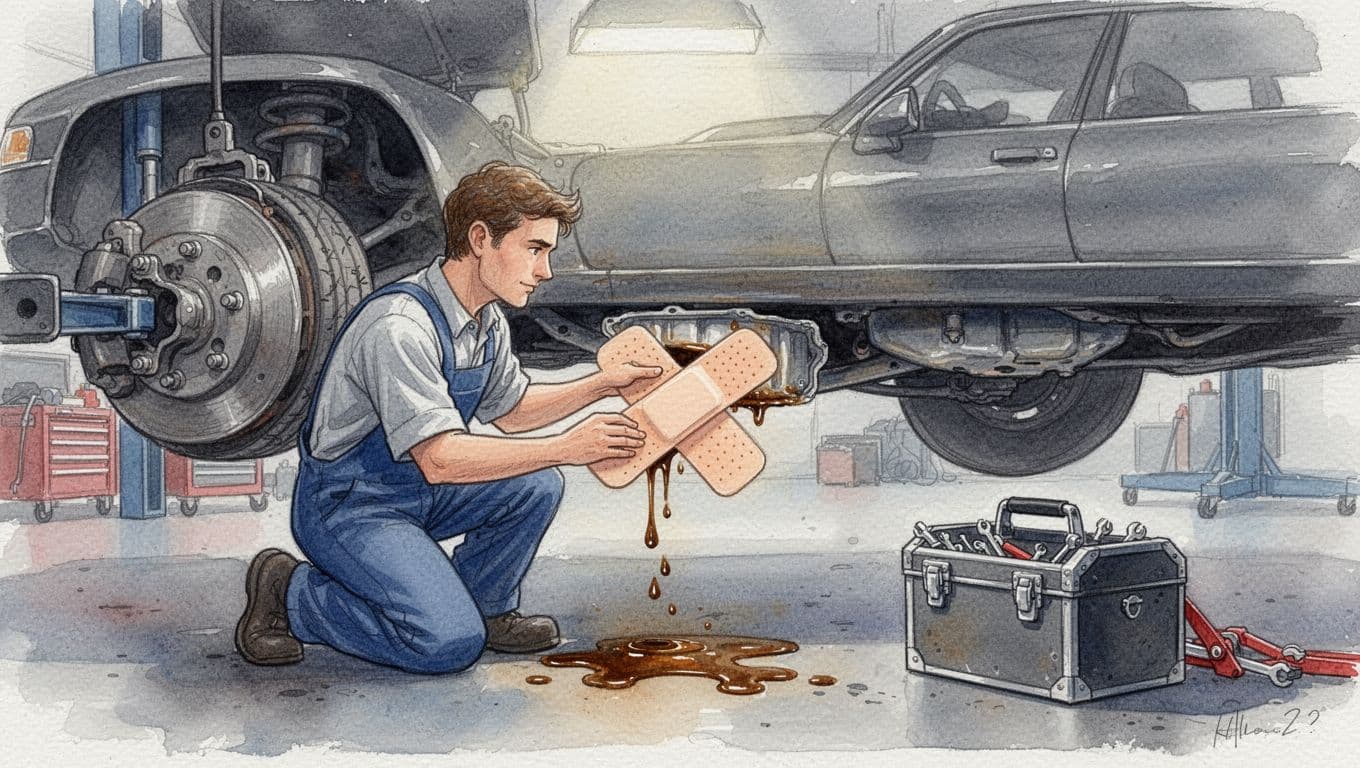
You fix a problem, yet it bounces back fast. That’s your first clue. You’re likely slapping on surface fixes instead of tackling the root. Teams burn out from repeat tasks, costs pile up, and patterns hide in plain sight. Spot these signs early, and you save time and effort. For instance, wipe oil from your car repeatedly, but skip the engine gasket? Leaks return worse. Shift to root checks now.
Here’s a quick self-check list to catch symptom chasing:
- Do issues return within weeks?
- Does your team redo the same work often?
- Are short-term patches eating your budget?
- Do logs show the same complaints monthly?
Answer yes to two or more? Dig deeper. These clues point to hidden causes.
Recurring Headaches Mean Dig Deeper
Problems that loop back scream untreated roots. Customer gripes hit monthly? Check your process gaps first. Track how often they pop up and spot patterns. Frequency reveals the real trigger.
Take a sales team. Leads drop off weekly after demos. They tweak scripts, but churn stays high. Root? Poor follow-up training. Once fixed, retention jumps 30%.
Or personally, skip workouts, yet weight creeps up. Quick diets fail because habits drive the gain. Log meals daily; patterns show snacking spikes.
Businesses lose big here. Cash flow woes hit 82% of failed U.S. firms, often from ignored repeats, per U.S. Bank studies on payroll data. Start a simple log today. Note dates, details, and fixes. Patterns emerge fast, so you act once.

Band-Aid Fixes That Drain Your Wallet
Quick patches feel good short-term. They drain cash long-term, though. Patching software bugs weekly costs $100 each time. One root code review? $500 once, saves thousands yearly.
In manufacturing, loose bolts shake machines. Teams replace parts endless times. Real fix? Vibration-proof washers. Endless swaps stop; output rises.
See the math:
| Fix Type | Weekly Cost | Yearly Total (50 weeks) |
|---|---|---|
| Patch bolts | $200 | $10,000 |
| Root washers | $1,000 (once) | $1,000 |
Patches win upfront. Roots save overall. Bolt loosening from vibrations hits factories hard, as experts note. Tally your fix costs next month. Numbers don’t lie; they guide smart spends.
Team burnout fades too. No more repeat drudgery. You gain energy for growth.
Your 5-Step Plan to Uncover the Hidden Root Cause
Ready to stop guessing? This simple five-step plan draws from proven root cause analysis methods. You gather facts, test ideas, and fix issues once. Businesses cut repeat costs with it. For example, manufacturers save thousands by skipping endless patches. Follow these steps in order. Grab a notebook. Start today.
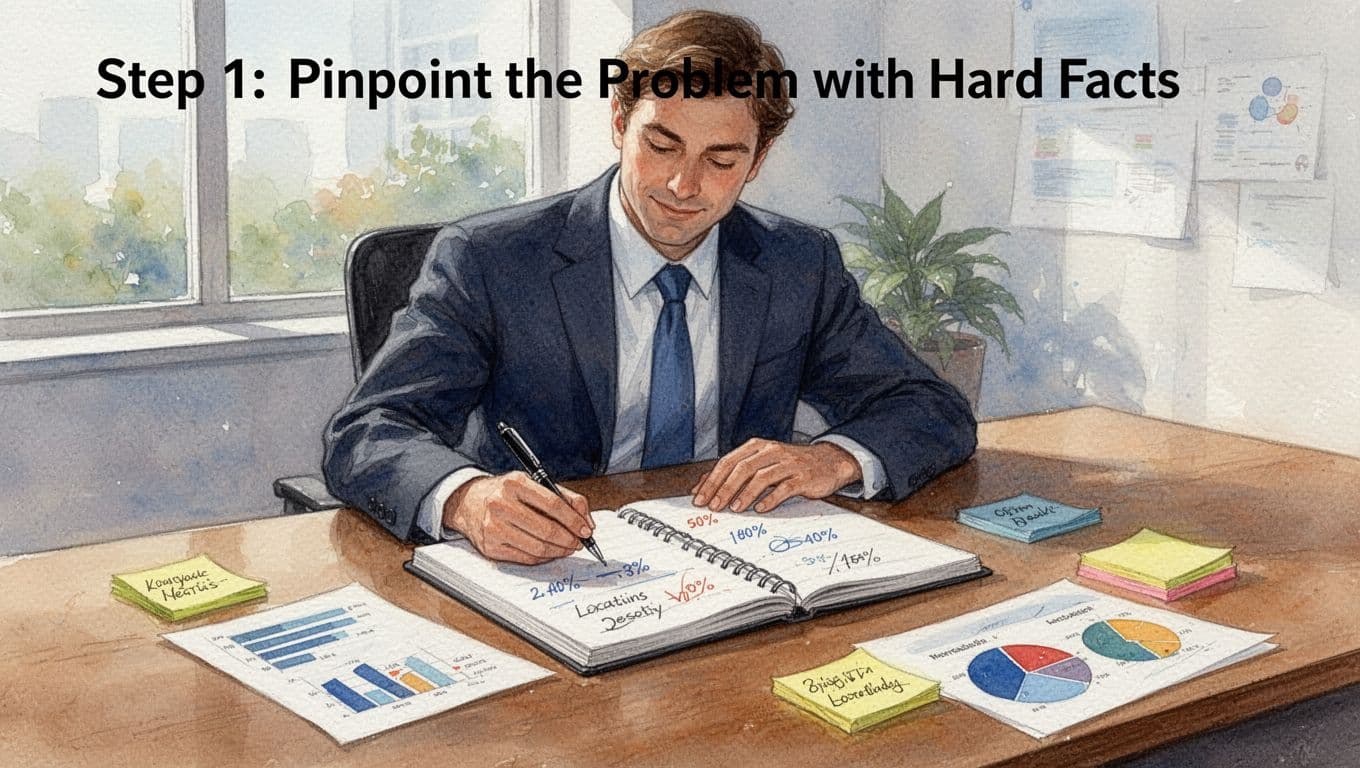
Step 1: Pinpoint the Problem with Hard Facts
Vague complaints kill progress. “Sales dropped” tells little. Switch to specifics. Who faces it? New clients in the Midwest lose 15% of deals in Q1. What happens exactly? They ghost after demos. When? Tuesdays at 2 p.m. Where? During virtual calls. How often? Twice weekly.
Facts ground you. Ask those questions first. Write answers down. Skip words like “sometimes” or “kinda.” Numbers and details reveal patterns fast.
Teams overlook this step. They chase feelings instead. Result? Wasted effort. Nail specifics now. Your fixes hit the mark.
Consider a support team. Calls spike on Fridays. Not “busy Fridays.” Instead, 20% more tickets from East Coast users between 3-5 p.m. Pin that down. You see overload hits right before close.
Step 2: Round Up Data from All Angles
One view misses the full picture. Talk to frontline staff. They spot daily glitches. Check logs and reports next. Numbers back stories. Observe in person too. Watch the process live.
Multiple sources cut bias. Your take alone skews results. A shared doc keeps notes tidy. Everyone adds input. Review weekly.
For instance, probe that sales drop. Chat with reps. They say demos drag. Pull CRM data. Conversion falls 25% post-call. Sit in on sessions. Reps rush closings. Boom. Clearer view emerges.
This builds trust too. People feel heard. Data flows freer. Avoid single-source traps. Cross-check always.
Step 3: List Out All Possible Causes
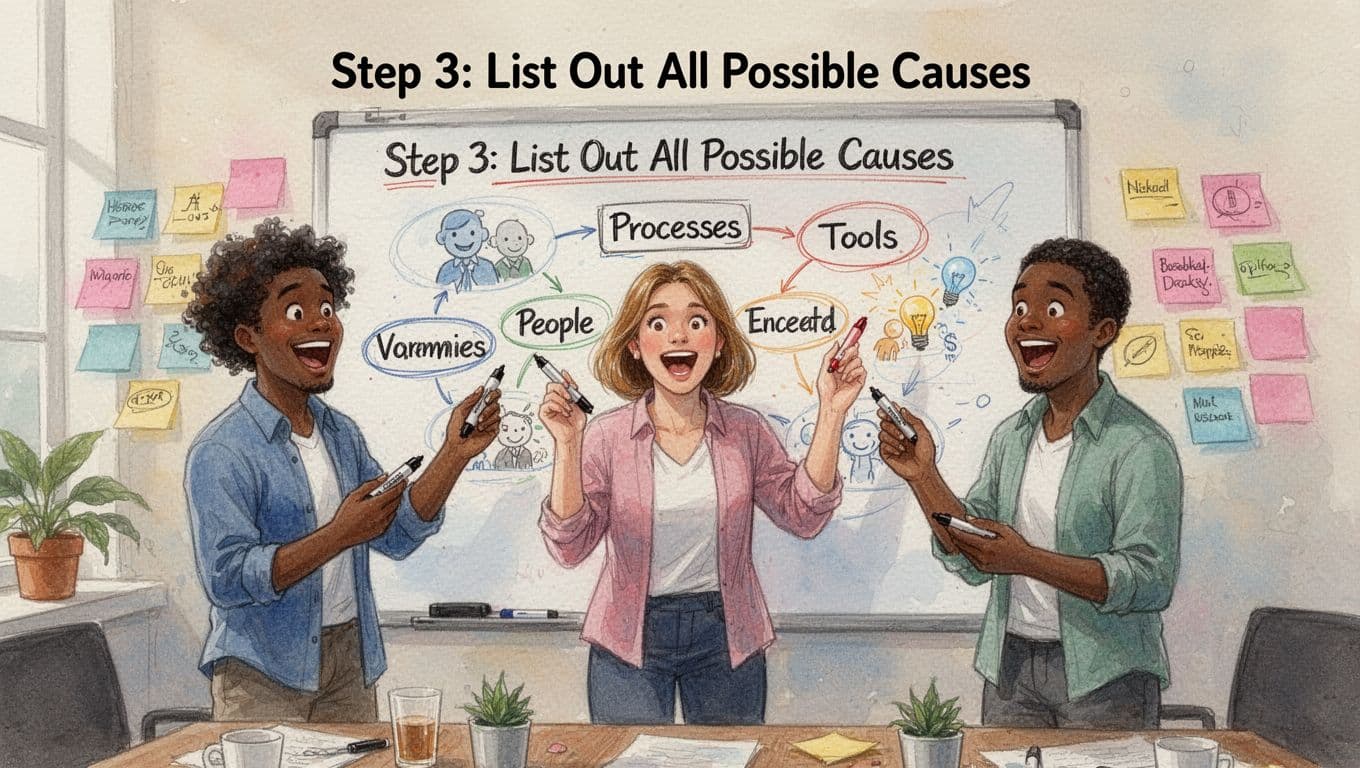
Grab your team. Brainstorm freely. No judgments yet. Jot every idea. Group them: people skills, process flaws, tool gaps. Multiple causes often stack up.
Keep it quick. 20 to 30 minutes max. Sticky notes help. One per idea. Cluster on a wall.
Take the demo issue. Reps untrained? Script too long? Bad video tool? List 10 plus. Categories sharpen focus: under people, “no demo practice”; processes, “no follow-up timer”; tools, “glitchy screen share.”
Excitement builds here. Ideas spark more. Quality Magazine outlines similar steps for manufacturing success. Capture all. Filter later.
Short bursts yield gold. Longer ones wander.
Step 4: Test to Find the True Culprits
Guesses fail. Test each cause. Ask: if we fix this, does the problem stop? Run small checks. Review past data. Simulate changes.
Pick top three from your list. For demos, test training first. Train two reps. Track their next 10 calls. Conversions up 20%? It’s a hit. Check video tool next. Swap software for a week. No change? Scratch it.
Data rules here. Logs show proof. Small tests save big money. Past fixes hint too. What worked before?
Safety teams use this in factories. Bolt issues? Test vibration data. Real cause shows quick. Verify before big spends.
Stay lean. One test per cause. Results narrow fast.
Step 5: Build Lasting Fixes Tied to Causes
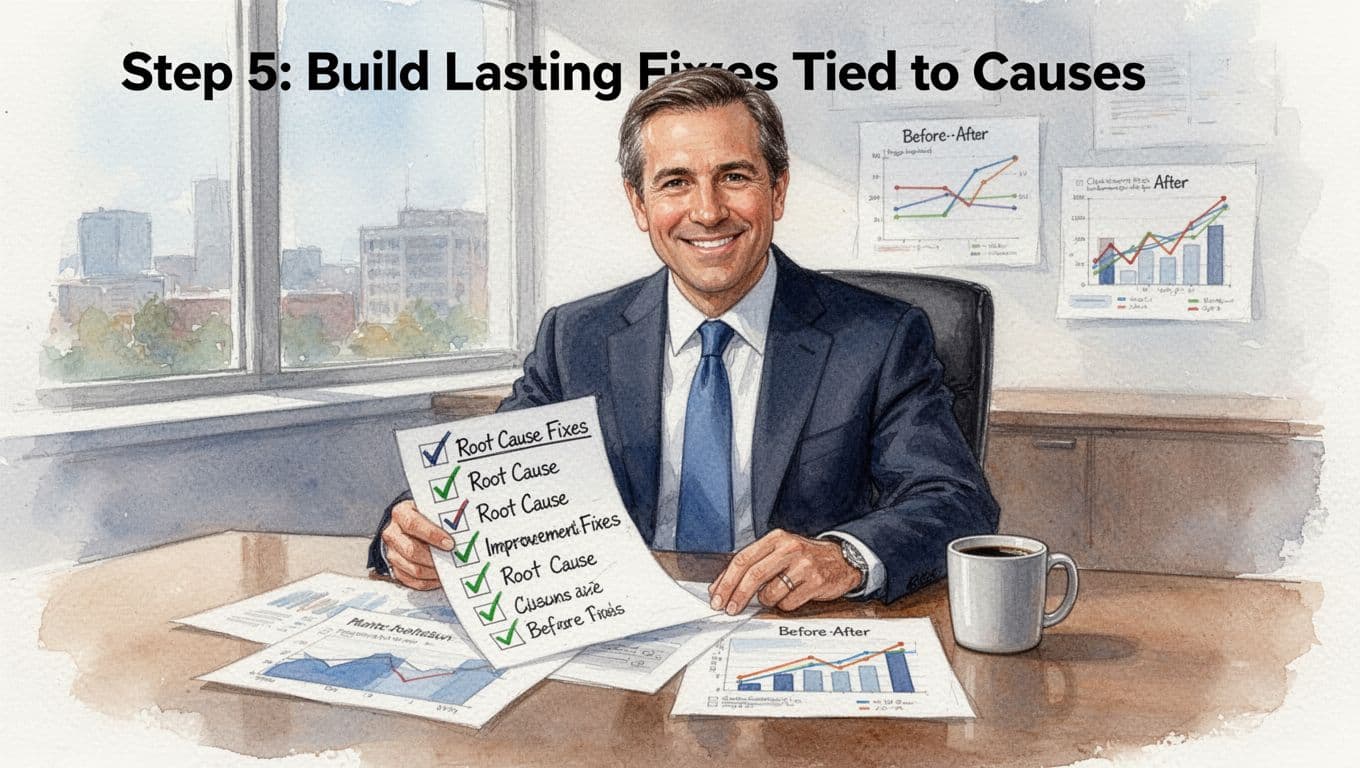
Verified causes get targeted solutions. Link each fix direct. Training gap? Roll out weekly sessions. Tool glitch? Upgrade now.
Add short-term relief if urgent. Quick script tweaks ease pain. Roots get priority, though. Measure success over months. Track key metrics weekly.
For demos, train all reps. Add follow-up alerts. Check retention quarterly. Improvements stick.
Celebrate wins. Teams stay motivated. Recheck in 90 days. New issues pop? Repeat steps.
Costs drop as repeats fade. U.S. firms face 7-8.5% hikes in 2025 from unchecked issues. Roots reverse that. You build stronger now.
Grab These Tools to Nail Root Causes Every Time
You need reliable tools to spot roots fast. These three stand out in 2026 practices. They turn analysis into quick, visual sessions that teams enjoy. 5 Whys works for simple chains alone or with others. Fishbone diagrams group causes in teams. Circle maps spark fast brainstorms for beginners. Pick by job size: solo quick hits get 5 Whys, group messes need Fishbone, visuals suit Circle maps. Digital apps speed them up now, with AI hints and shared boards. No blame keeps input flowing. Start small; fixes stick.
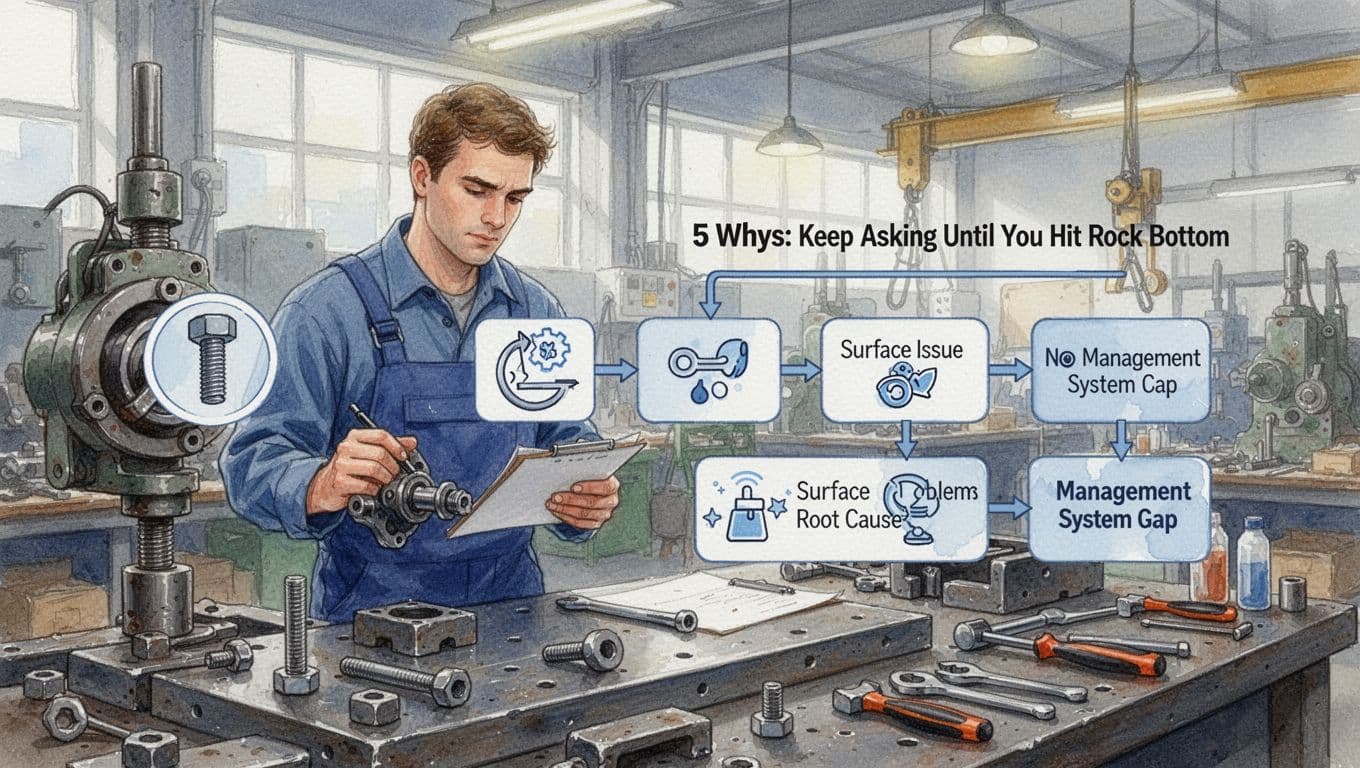
5 Whys: Keep Asking Until You Hit Rock Bottom
Grab a notepad or app. Write the problem clear. Ask “why” up to five times. Base each answer on facts, not guesses. Teams love it because everyone adds without finger-pointing. Limit to five steps, or stop when answers repeat. This digs past symptoms quick.
Picture a factory machine down. Why? Bolt loosened. Why? Vibration shook it free. Why? No lock washers used. Why? Parts list missed them. Why? No management system checks inventory. Root found: update the system. Fixes like this save repeats.
Steps keep you on track:
- State the problem: “Machine stopped.”
- Ask why once: Write the fact-based answer.
- Repeat why on that answer: Four more times max.
- Test the last why: Does fixing it stop the issue?
- Act and track results.
Solo workers nail it in 10 minutes. Teams build buy-in. AI apps now draw the chain visually. Augmentir shares manufacturing wins like this. You hit rock bottom every time.
Fishbone Diagram: Sketch Your Way to Clarity
Draw a fish head for your problem. Add a spine, then bones for categories: people, machines, methods, materials, measurement, environment. Brainstorm causes on each bone. Rank them high, medium, low by data. Groups sketch it fun on boards.
Say product delays hit your line. Head: “Shipments late two weeks.” Bones fill fast. People: untrained staff. Machines: old press jams. Methods: no checklists. Materials: bad supplier stock. Measurement: wrong gauges. Environment: power dips. Top rank? Supplier issues. Fix orders there; delays drop.
It shines for teams because visuals spark talks. Free online templates make starts easy. Try Canva’s fishbone maker for quick shares. In 2026, software ranks causes with data pulls. Pair it with 5 Whys for depth. You see the full fish clear.
Drawbacks stay rare. Sessions wrap in 30 minutes. Output guides real fixes.
Circle Map: Quick Brainstorm Centerpiece
Center a circle with your problem. Jot main factors around it in smaller circles. Branch those into sub-factors. Lines connect links. Beginners grab it fast; visuals pull ideas out.
Take a school project flop, like a team miss. Center: “Presentation failed.” Around it: research weak, slides messy, practice short. Branch research: no plan, bad sources. Slides: wrong tool, time crunch. Practice: no schedule. Root? No team plan. Business teams adapt it same way for sales dips.
It fits quick sessions because paper or digital boards work. AI tools now auto-map from notes. Great for hybrid groups in 2026. Ties education tricks to work wins. Stop at core parts; overload kills speed.
You pick it for visuals over lists. Fun dots build fast. Roots pop clear.
Real-World Wins: Symptoms Busted, Roots Fixed
Real people and teams turned frustration into wins. They spotted symptoms, dug to roots, and built fixes that lasted. Costs dropped. Lives improved. You can too. These stories show exactly how, with tools from earlier steps.
From Endless Software Glitches to Smooth Runs
Your tech team fights weekly crashes. Users complain. Downtime hits hard. Midsize firms lose $14,000 per minute on average. Patches buy time, but issues return. Sound familiar?
One dev team faced this. Software crashed under load. They grabbed the 5 Whys tool. Here’s their chain:
- Why did the app crash? Peak users overwhelmed the server.
- Why no handle for peaks? Code skipped load tests.
- Why skip tests? Devs lacked load-testing skills.
- Why no skills? Training sessions ignored that topic.
- Why ignore it? Onboarding process had gaps in core modules.
Root cause: poor onboarding left training holes. They fixed it fast. Added hands-on load sessions to new-hire weeks. Ran team refreshers too.
Before, crashes cost hours weekly. Revenue dipped. Now? Smooth runs. No outages in six months. They saved thousands in downtime. Team morale soared. High-fives all around.

Check this 5 Whys example on software bugs for more tech wins. Simple shifts yield big results.
Ditching Chronic Lateness for Good
You rush out the door, late again. Apologies become routine. Meetings start without you. Stress builds. Patches like extra alarms fail because sleep suffers.
I lived this. Chronic lateness hit my days. I chased symptoms with snooze buttons. Then I mapped it out. Symptom: overslept often. Root? Disrupted sleep from late-night scrolling.
Phone blue light kept me up past midnight. Eyes glued to feeds. Mornings dragged. I used steps from the plan:
- Logged wake times for a week. Patterns screamed late bedtimes.
- Brainstormed causes. Phone topped the list.
- Tested it. One night off screens by 9 p.m. Slept deeper.
- Built routine: Charge phone outside bedroom. Read a book instead. Set wind-down alarm.
- Tracked for a month. Fixed it.
Before, I lost 30 minutes daily to rushes. Now? On time every day. Energy up. More focus at work. Life feels calmer. Small habit swap changed everything.
Late scrolling ruins rest for many. See how phones wreck sleep. You gain hours back.
Headaches Gone: Water Beats Stress Fixes
Daily headaches pound. You blame stress. Pop pills or meditate. Relief fades fast. Real trigger hides in plain sight.
A friend chased stress relief for months. Head throbs hit afternoons. She tried yoga, breaks. No luck. Dehydration causes 10-20% of headaches, often overlooked. She dug deeper with facts.
Logged water intake. Barely 40 ounces daily. Busy desk job dried her out. Coffee worsened it. Steps followed:
- Pinpointed: Throbs after lunch, dry mouth clues.
- Gathered data: Urine color pale yellow? Check.
- Listed causes: Low water, caffeine overload, skipped meals.
- Tested: Doubled intake to 80 ounces. Headaches dropped 80% in days.
- Fixed routine: Water bottle at desk. Refill reminders. Cut soda.
Before, pills cost $20 monthly. Productivity tanked. Now? Clear head. No meds needed. She works sharper, longer. Simple hydration won.
Dehydration sneaks up. Learn signs and quick fixes here. Feel the difference yourself.
Conclusion
That back pain example from the start shows the trap. Chasing symptoms wastes time and effort. You now hold the tools to find root causes instead.
Teams and people in our stories cut repeats and boosted wins. The five-step plan plus 5 Whys, Fishbone, or Circle maps make it simple. As a result, stress drops and results last.
Try one step or tool this week on your biggest headache. What problem will you tackle first? Drop a comment below or share this post. You’ve got this.