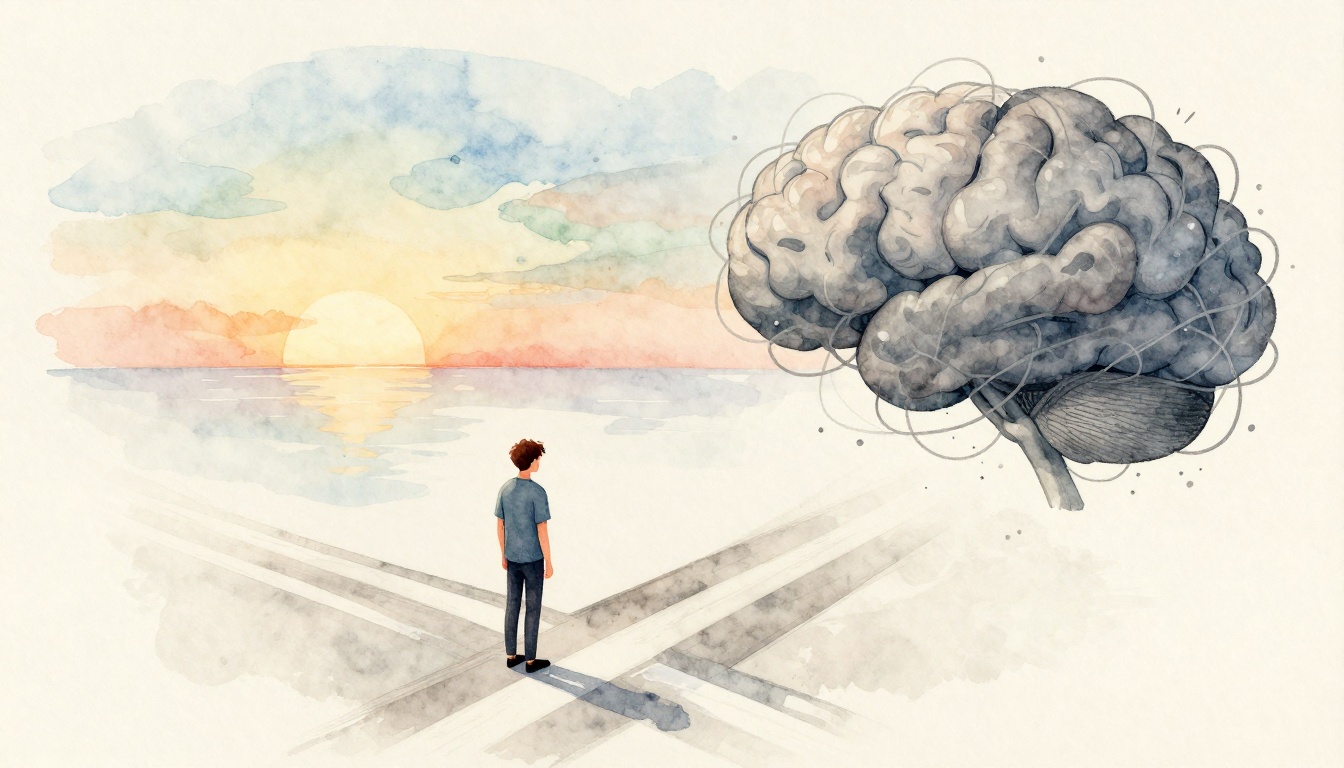
You tie your shoes without thinking on a calm morning. But rush through a stressful commute, and that same knot twists your patience. Problems feel harder because emotions, brain wiring, and daily life mix in unpredictable ways. It’s not just the task’s size.
Stress clouds your focus. Your brain fights invisible battles. Small hassles stack up. This article breaks it down. You’ll see emotional drains, cognitive limits, and routine factors at play. Understanding them lets you tackle issues with less fight.
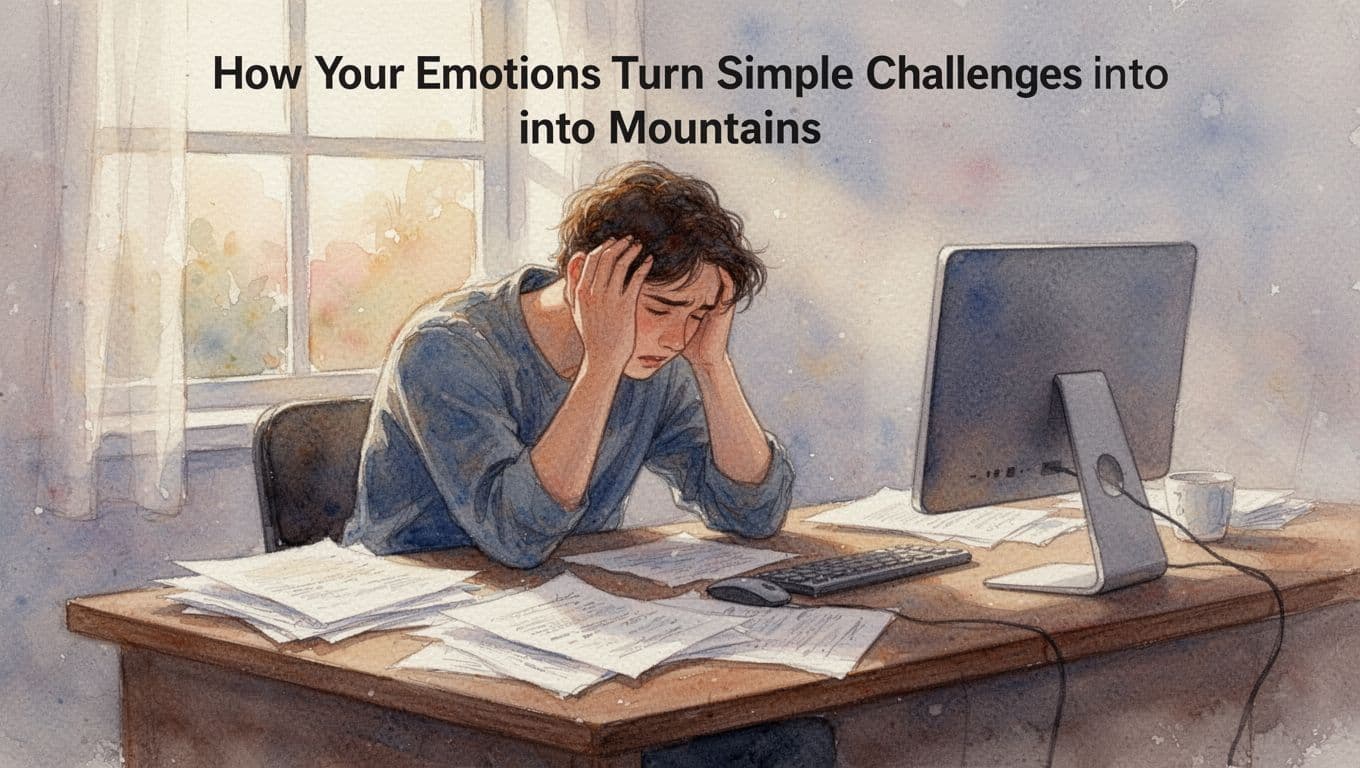
How Your Emotions Turn Simple Challenges into Mountains
Bad moods make easy jobs brutal. A quick email draft drags after a fight with your spouse. Your mind spins on hurt feelings instead of words. Research shows daily stress drains mental energy first.
Cortisol floods your system during tension. This hormone sharpens short bursts of alert. But it lingers and fogs clear thought. High levels link to poor decisions, as one acute stress study found. You snap at minor snags because irritation builds.
Arguments or traffic pile on. They sap willpower before you start. Hormones swing wild. Testosterone drops, mood sours. You face the day half-empty.
Stress and Hormonal Swings That Steal Your Focus
Tiny hassles add up fast. Spilled coffee or late buses trigger cortisol spikes. Your body stays in fight mode. Focus scatters as a result.
Recent data confirms this. Chronic high cortisol shrinks memory areas in the brain. It slows processing speed and choices. Yet quick stress can boost emotional recall briefly. Long-term, damage wins out.
Post-fight fatigue hits hard. You stare at screens, words blur. Irritability rises because energy went to survival signals. Rest helps reset, but small drains compound.
Anxiety and Depression’s Grip on Motivation
Worry loops trap you next. Thoughts circle “what ifs” without end. A simple report feels endless because anxiety hijacks attention. Cortisol and anxiety connect closely, studies note.
Depression cuts deeper. Low mood drains stamina. Tasks that took minutes stretch hours. You lack drive to push through. Sad days make mountains from molehills.
Both steal momentum. Brains avoid pain, so you delay. Procrastination grows the problem bigger.
Lingering Effects of Trauma and Shame
Old wounds resurface too. Past letdowns trigger hopelessness now. A failed project echoes childhood doubt. Thinking stalls under the weight.
Shame adds noise. Self-blame overloads your mind. “I’m not good enough” drowns solutions. Unhealed pain blocks fresh views.
You judge harshly during stress. This inner chatter slows progress. Kindness to yourself clears the fog over time.
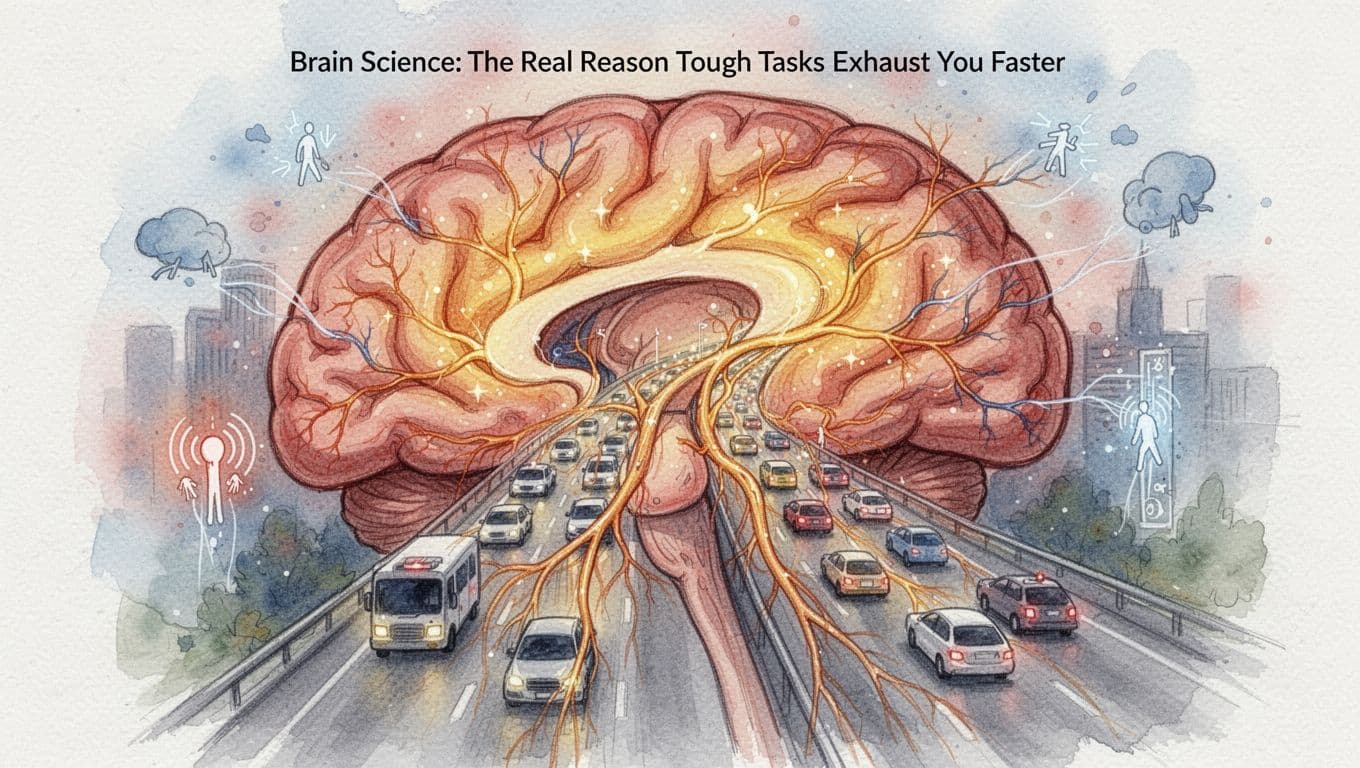
Brain Science: The Real Reason Tough Tasks Exhaust You Faster
Your brain runs on limited fuel. Routine actions hum smooth. But focus demands burn quick. Prefrontal cortex leads the charge. It tires like a muscle after reps.
Easy habits go autopilot. Brushing teeth needs zero strain. Hard puzzles force control. That shift costs energy. Cognitive load piles up fast.
Conflicts jam signals. Say colors when words say different. Stroop tasks prove it. Habits clash with orders. Frustration builds because wires cross.
Automatic Habits Versus Forced Focus
Autopilot saves power. Driving home, you zone out safe. New routes demand full alert. Prefrontal areas light up heavy.
Forced focus taps extra zones. They fatigue swift. Reading words beats naming ink colors easy. Reverse it, and strain hits. Brains hate the override.
Practice eases this. Reps build paths. Unfamiliar work hurts more as a result.
Working Memory Overload and Mental Jams
Memory holds seven chunks max. Add more, jams form. Multitask splits focus worse. Decisions freeze under weight.
Bottlenecks narrow flow. Info floods, anger flares. Too many tabs crash the system. You rage quit because capacity maxes.
Overload sparks quits. Brains signal “enough” to save resources.
Buildup of Brain Fatigue and No Progress Feedback
Chemicals linger after effort. Glutamate builds like soreness. Next tasks slow down. No cues of advance frustrate most.
Brains track tiredness spots. Stuck feelings scream loud without wins. Rewards pull you through. Lack them, and you bail.
Recent views note prefrontal shifts in fatigue. Neuron loss mimics overload. Effort wears paths thin.
Everyday Factors That Make Problems Feel Unevenly Hard
Life throws curveballs daily. Sleep dips one night, focus tanks. Arguments drain reserves before work starts. Context shifts hardness uneven.
Big changes amplify this. New jobs or moves overload adaptation. Anxiety spikes outsized. Small hassles snowball in chaos.
Tech shortcuts weaken grit too. Quick Google answers skip struggle. Real thinking aches later without practice.

Daily Drains and Life Changes Amplifying Difficulty
Rushed mornings stack stress. Poor sleep cuts resilience, per 2026 data. Stress-sleep cycles trap you. Breaking that loop aids rest.
Moves clutter minds. Unpack boxes, decisions pile. Fatigue doubles because baselines shift. Adaptation slows all.
Skipping Practice Makes Real Thinking Hurt More
AI hands solutions fast. You skip deep work. Memory fades, grit dips. Unaided puzzles sting harder now.
Habits matter. Screens overload before bed. Routines build strength instead. Good sleep clears paths for tough spots.
Self-kindness buffers this. Pause, breathe. Progress evens out over days.
Problems hit harder from emotions, brain limits, and daily pulls. Stress spikes cortisol and fogs focus. Cognitive overload jams prefrontal work. Life changes drain extra.
Try these steps today. First, name your feelings to cut their power. Take five-minute breaks for hard tasks; brains recharge fast. Build practice slow, like puzzles daily. Track small wins for feedback. Sleep seven hours minimum.
Your brain adapts like muscle with use. Pick one tip now. Share in comments what works for you. Easier days start small.