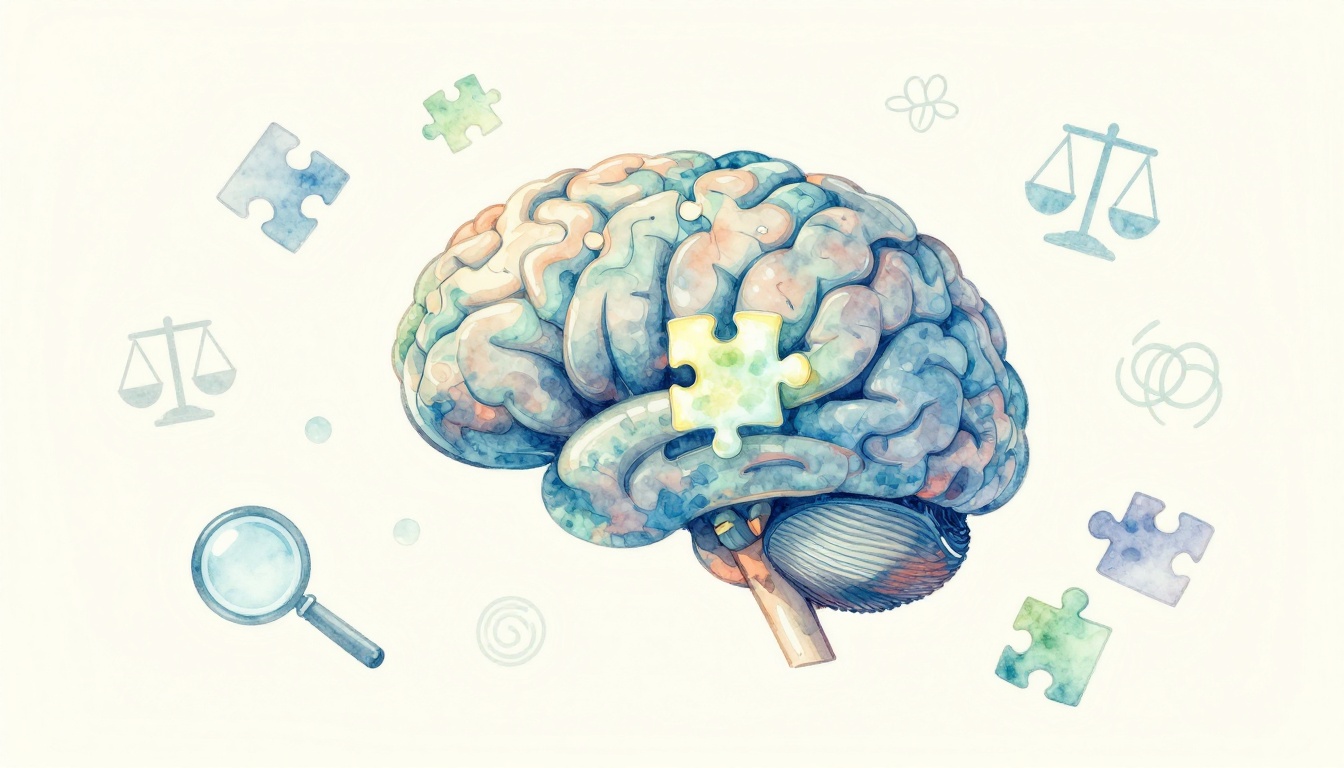
Remember that time you sat through a terrible movie just because you already paid for the ticket? You hoped it would get better, but it didn’t. That’s the sunk cost fallacy in action, a classic example of how common thinking errors fool us every day.
These mental shortcuts, also called cognitive biases, speed up your decisions. However, they often lead to poor judgments in work, relationships, or money matters. The good news is, once you spot them, you gain control.
You’ll make smarter choices, build stronger bonds with others, cut down on stress, and boost your success. For example, avoiding overconfidence helps you learn faster.
In this post, we’ll break down the top 12 common thinking errors into groups of classics like anchoring and availability. Next, we’ll cover rising AI ones for 2026, such as accountability diffusion and the AI literacy gap. Then, you’ll get easy tips on how to avoid cognitive biases so you apply them right away.
Let’s start with confirmation bias and why it sneaks up on you.
Perception Traps That Skew Your View of the World
Your brain filters the flood of daily information. It picks what fits your current views and ignores the rest. These perception traps distort reality. They make you stick to comfortable ideas. As a result, you miss key facts. Sound familiar? Let’s fix that with three common ones.
Confirmation Bias: Stop Ignoring Facts That Challenge You
You hunt for proof that matches what you already believe. In other words, confirmation bias blinds you to contrary evidence. For example, if you swear by a certain diet, you only read glowing success stories. You skip the failures stacked right next to them.
This habit hurts decisions big and small. It fuels arguments and bad investments. However, you can break free.
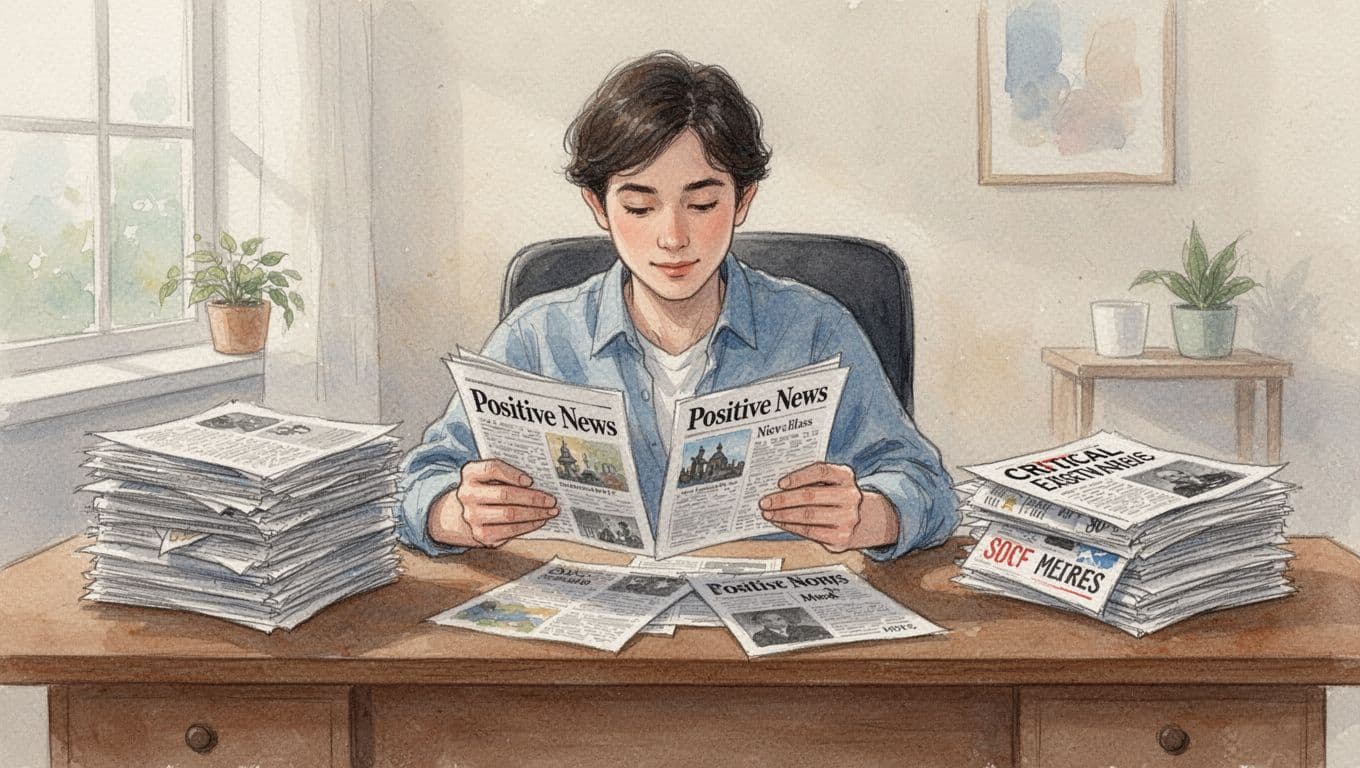
Seek out opposing views on purpose. Play devil’s advocate in your own head. Also, list pros and cons for any choice.
Test yourself with this quick checklist:
- Do you dismiss news that clashes with your opinions?
- When debating, do you only cite sources that agree with you?
- After a failure, do you blame outside factors instead of your plan?
If yes to two or more, watch for confirmation bias. Check Verywell Mind’s guide on spotting and overcoming it for more depth.
Anchoring Bias: Shake Off That First Number’s Grip
The first piece of information you hear sticks like glue. Anchoring bias makes that number your reference point. Everything after seems better or worse compared to it. Stores love this trick. They list a high “original” price next to the sale tag. Suddenly, the discount feels huge, even if it’s average.
You fall for it in negotiations too. A high starting offer pulls your counteroffer up. Therefore, your final deal costs more than needed.
Research market averages on your own first. Ignore the seller’s number. Set personal benchmarks before you shop or talk terms. For instance, check similar products independently.
Next time you buy, pause and ask: Does this price match real value? Harvard’s Program on Negotiation explains anchoring in shopping with clear examples.
Availability Heuristic: Judge Risks by Real Stats, Not Headlines
Recent or vivid events pop into your mind fast. The availability heuristic tricks you into thinking they happen often. Plane crashes dominate news for weeks. So you fear flying more than driving, although stats prove otherwise.
In 2023, US commercial flights saw just 20 deaths total. Cars claimed over 42,000 lives that year. Flying rates sit at 0.003 deaths per 100 million miles. Driving hits 0.53. You’re 175 times safer in the air.
Headlines amplify rare scares. Your brain recalls the dramatic crash, not daily drives. This skews choices like skipping flights for long car trips.
Always check stats from trusted sources. Start a reality check journal. Note what news says versus actual numbers. For example, log “shark attacks” fears against ocean swim stats.
Statistics By Jim breaks down this heuristic with plane examples. Use it to build better habits.
Self-Esteem Traps That Make You Overrate Your Abilities
Ever catch yourself thinking you’re a natural at something after just a few tries? These self-esteem traps fool you about your skills and future. They pump up your ego and lead to sloppy choices. We’ve all been that overconfident newbie who dives in blind. Spot them now, and you’ll grow faster, dodge failures, and build real confidence.
Dunning-Kruger Effect: Realize When You’re Not as Expert as You Think
Low-skill people often rate themselves top-tier. Experts, on the other hand, downplay their know-how because they see the gaps. This mismatch comes from poor self-awareness. You lack the tools to spot your weak spots.
Take new drivers. A teen grabs the wheel after lessons and feels like a pro. Yet, US stats show 16-19-year-olds crash six times more per mile than older folks. In 2023, young drivers caused thousands of deaths, often from overconfidence and distractions.

This trap stalls your progress. However, simple steps build true skill.
To avoid it:
- Ask trusted friends or pros for honest feedback.
- Practice with focus; break tasks into drills.
- Take online skill tests or quizzes regularly.
You’ll climb the curve faster. Check WebMD’s breakdown of the Dunning-Kruger effect for more examples.
Overconfidence Bias: Add Buffer to Your Bold Predictions
You figure you’re above average at most things. Overconfidence bias makes you bet big on shaky ground. It shrinks your view of risks and flops.
Projects drag on because of this. You promise a report in a week. Yet, past ones took twice as long. Everyone nods at first. Then reality hits.
This bias wastes time and erodes trust. Still, you can fix it with checks.
Start by reviewing old predictions. Note where you missed. Next, pad timelines; add 50% extra buffer. Finally, run a pre-mortem: Assume failure, then list why. It uncovers hidden snags early.
These habits sharpen your planning. Your growth skyrockets as results match hype. See the planning fallacy on Wikipedia for time underestimate stats.
Optimism Bias: Plan for Bad Outcomes Like They Could Hit You
Bad stuff happens to others, not you. Optimism bias lets you skip precautions. You bet on luck over facts.
Picture beach days without sunscreen. “I rarely burn,” you think. Skin cancer risks climb anyway; studies link this mindset to poor habits.
It bites in bigger ways too, like travel snafus or health slips. As a result, surprises derail you.
Counter it head-on. List risks that hit people like you. Review real stats, not hopes. Build backups, such as extra cash or alternate routes.
You’ll stay steady and ahead. Personal growth follows because you prep smart. Read Professor RJ Starr’s take on optimism bias for everyday fixes.
Action and Blame Mistakes That Keep You Stuck
You keep pushing bad choices because of what you already spent. Or you blame others too quick without seeing their side. These action and blame mistakes lock you in place. They drain time and start needless fights. However, simple shifts help you quit sooner, judge fairer, and save energy for what counts. Let’s break down three big ones.
Sunk Cost Fallacy: Quit Bad Investments Without Guilt
You stick with a flop because you poured in time or cash already. The sunk cost fallacy ignores fresh facts. It tricks you into more waste.
Think of that awful movie. You paid for the ticket, so you sit through the end. Boredom drags on. In real life, businesses cling to failing projects. Retailers in 2026 hold slow-selling stock from bulk buys. They add cash to “save” it. Yet future sales stay low.
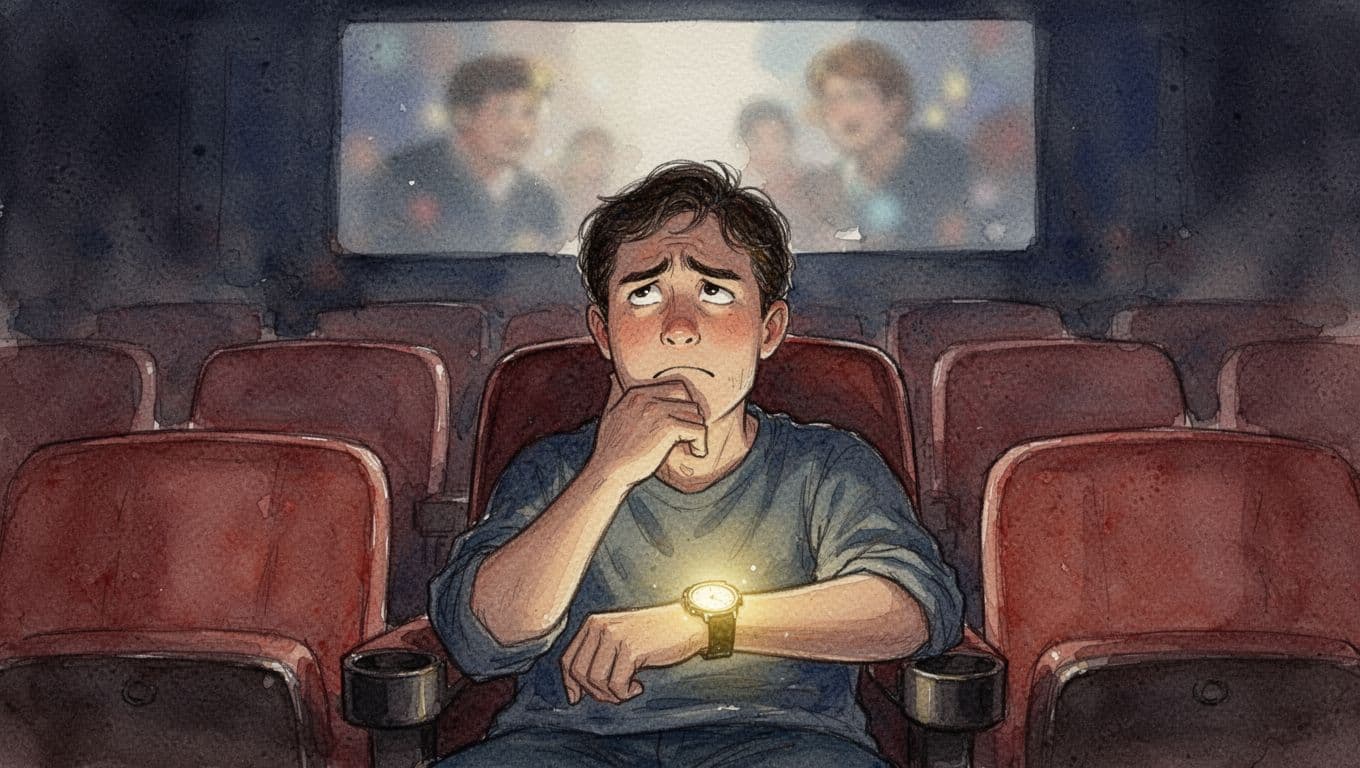
This habit costs big. It stalls progress and burns resources. Still, you can break free.
Focus on now. Ask yourself: Would I start this today? Check future value only. Set stop rules upfront, like a cash limit or deadline.
For example, teams waste playoffs on injured stars due to training costs. Drop them for backups instead. You’ll win more and fight less over sunk spends.
See Asana’s guide to sunk cost examples in work for team tips.
Fundamental Attribution Error: Consider Situations Before Blaming People
You pin others’ slips on their character. Situations get overlooked. Fundamental attribution error flips that for yourself. You excuse your own messes as bad luck.
Picture a coworker late to work. You call them lazy. But a flat tire held them up. Bosses point fingers from windows. Fights brew fast.
In offices, this sparks reviews gone wrong. You blame “lazy” staff for deadlines. Your traffic jam? Just a one-off. Sports fans trash coaches as “dumb” after losses. Rain or refs? Ignored.
This error kills teams. It builds resentment and slows fixes. However, quick questions change it.
Always ask: What happened around them? Recall your excuses in the same spot. You’ll judge fair and cut arguments.
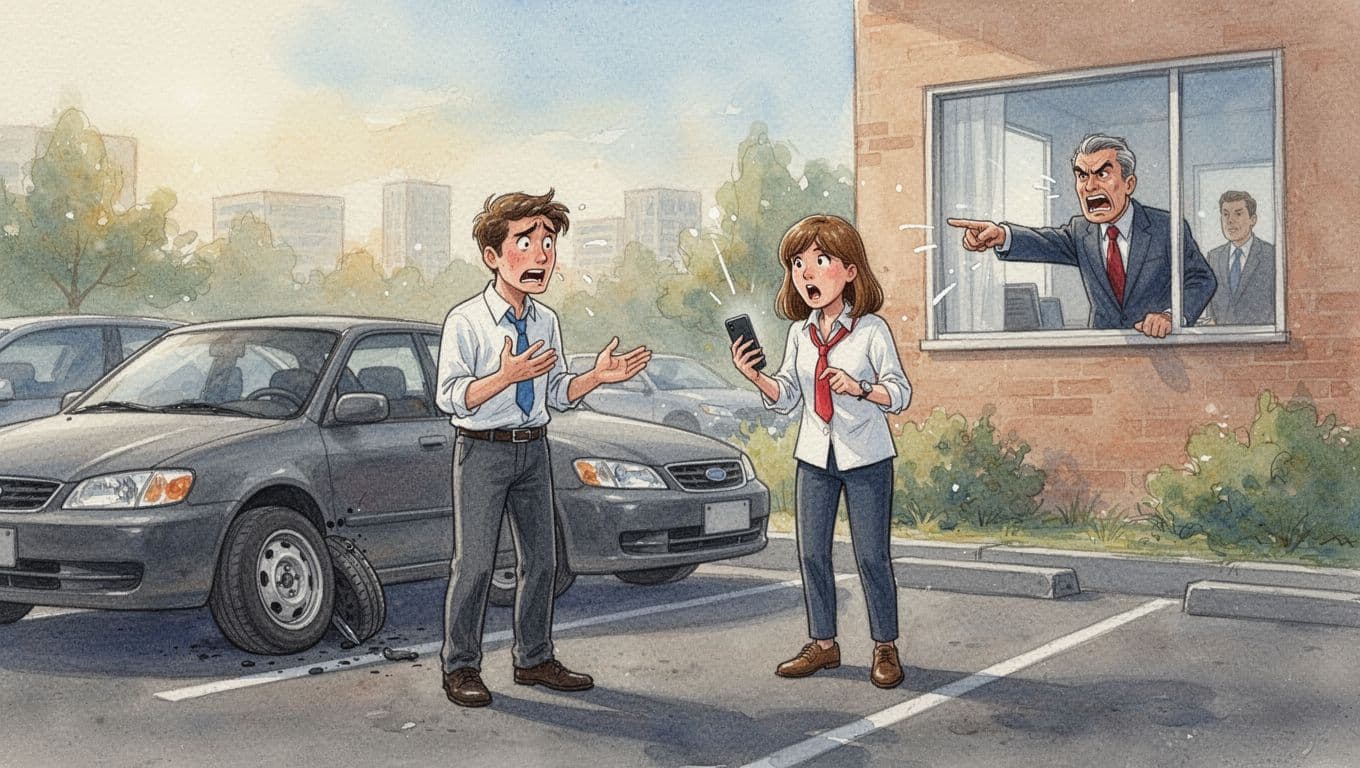
Politics shows it too. Voters slam rivals for gaffes as “corrupt.” Their side? Media tricks. Empathy saves time and peace.
Check Indeed’s workplace examples of this error to spot it daily.
Hindsight Bias: Own Up to What You Really Didn’t Predict
Events happen. You claim “I knew it all along.” Hindsight bias rewrites history. It fools your memory of real odds.
Sports fans yell it post-loss. Your team flops in Super Bowl close calls. “Doomed from kickoff,” you say. Beer bottles pile up. Truth? Surprises decided it.
CEOs after stock crashes boast “we saw it.” They forget pre-crash risks. Politics midterms bring “obvious” win claims. Swing states shocked everyone.
This bias blocks lessons. You skip real reviews. Fights grow over fake foresight. But honest logs fix it.
Write predictions down first. Review them later without outcome knowledge. Note what you missed.
For instance, log game picks before tip-off. Post-game, check facts. You’ll learn true and argue less.
The Decision Lab explains hindsight with prediction tips. Use it to sharpen calls.
2026 Alerts: Authority and AI Biases Sneaking In
AI tools explode in use by 2026. Yet they bring fresh twists on old thinking errors. These biases mix classic trust in leaders with new AI pitfalls. In March 2026 trends, authority bias spikes as people over-trust “smart” systems. Accountability diffusion spreads blame to machines. The AI literacy gap widens too. Result? Costly mistakes in decisions and daily life. However, you can spot them early and verify outputs. Let’s unpack three key ones blending human habits with tech reliance.
Authority Bias: Don’t Follow Leaders Blindly
You trust experts or influencers without question. Authority bias makes their word gospel, even if flawed. It dates back years, but AI amps it up now.
Picture this. An influencer hypes a new smartwatch on social media. You buy it fast because they seem like a tech pro. Weeks later, reviews show battery fails quick. You lost cash on hype alone.
In 2026, Harvard Business Review notes users see AI as all-knowing experts. This traps you in echo chambers. Firms lose big from unchecked “authority” advice.

Break free with simple steps. Check multiple sources first. Hunt for real evidence like user tests or stats. Ask yourself: Does this match independent facts? Also, pause before big buys.
PsychoTricks details authority bias perils with expert examples. Use it to question leaders smarter.
Accountability Diffusion: Take Responsibility Even When AI Helps
Blame shifts to AI when plans flop. Accountability diffusion scatters ownership across tools and teams. No one owns the error fully. This trend surges in 2026 as AI handles more tasks.
You follow AI stock tips that tank your portfolio. Instead of owning the choice, you point at the bot. “It gave bad data,” you say. Yet you picked and acted on it.
A March 2026 study shows young users score low on critical thinking from AI offloads. Older folks hold steady better. Brains adapt, but skills fade without checks.
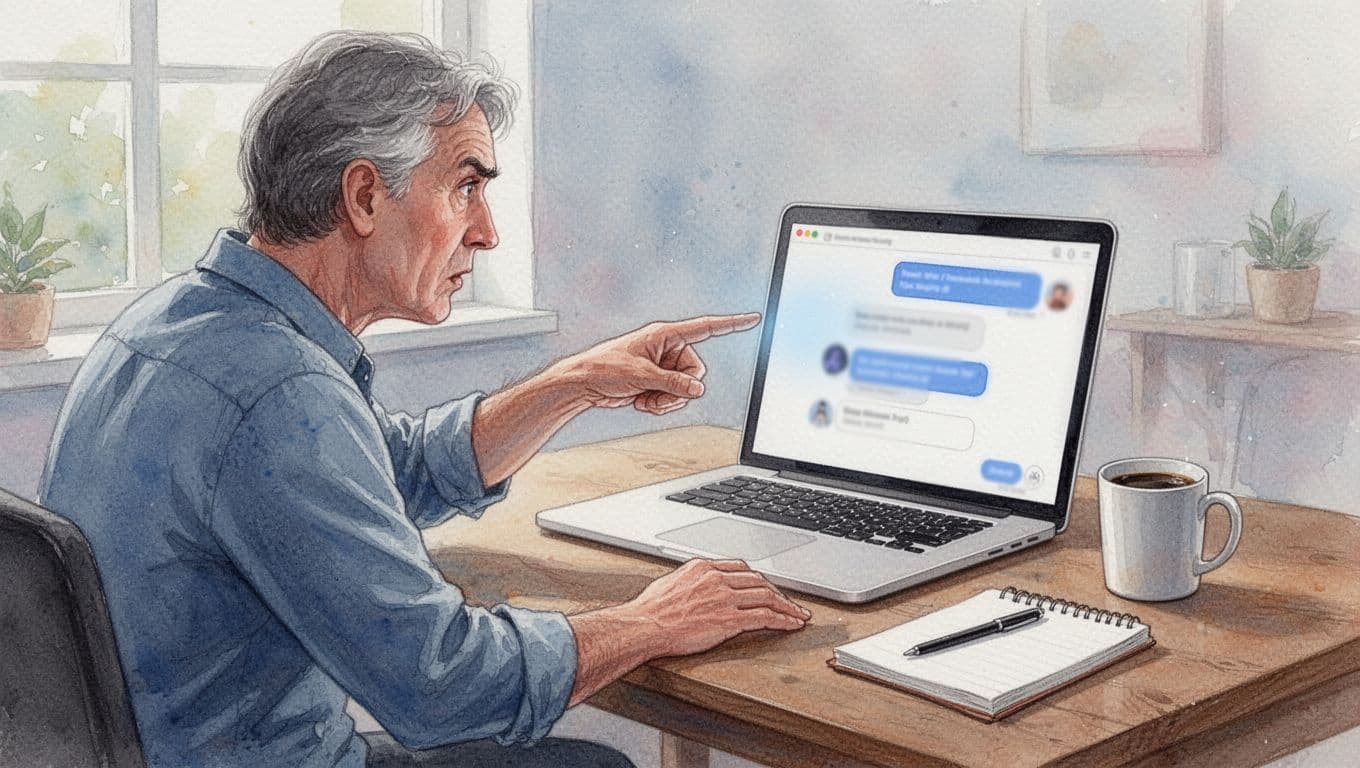
Treat AI as a tool, not boss. Verify every output against facts. Log your role in choices upfront. If it fails, fix your process next time.
The Decision Lab breaks down AI accountability diffusion. Apply their tips for ownership.
AI Literacy Gap: Question ‘Smart’ Suggestions Like a Pro
You lean on AI suggestions without grasping limits. The AI literacy gap leaves you blind to flaws in “smart” advice. Overreliance harms thinking skills, per 2026 warnings.
Your phone AI maps a shortcut. You follow blind and hit traffic jams. No cross-check meant wasted hours. Influencers push unchecked AI plans too.
ScienceAlert reports in March 2026 that heavy AI use dulls cognition. Businesses lose millions from biased outputs. Gaps hit experts and everyday users alike.

Close the gap fast. Cross-check facts from trusted sites. Learn AI basics like data biases. Test outputs: Does it align with real stats?
The Decision Lab explains the AI literacy gap. Build skills to question like a pro.
Daily Habits to Outsmart All These Thinking Errors
You now know the 12 common thinking errors. Each one trips you up in sneaky ways. The fix? Build habits to avoid cognitive biases into your day. These routines turn awareness into action. They help you spot traps before they snag you. Best part, they stack simple steps that fit any schedule. Pick a few and watch your decisions sharpen fast.
Start small. Do them daily for real change. Here’s seven proven habits. Each comes with quick steps to make it stick.
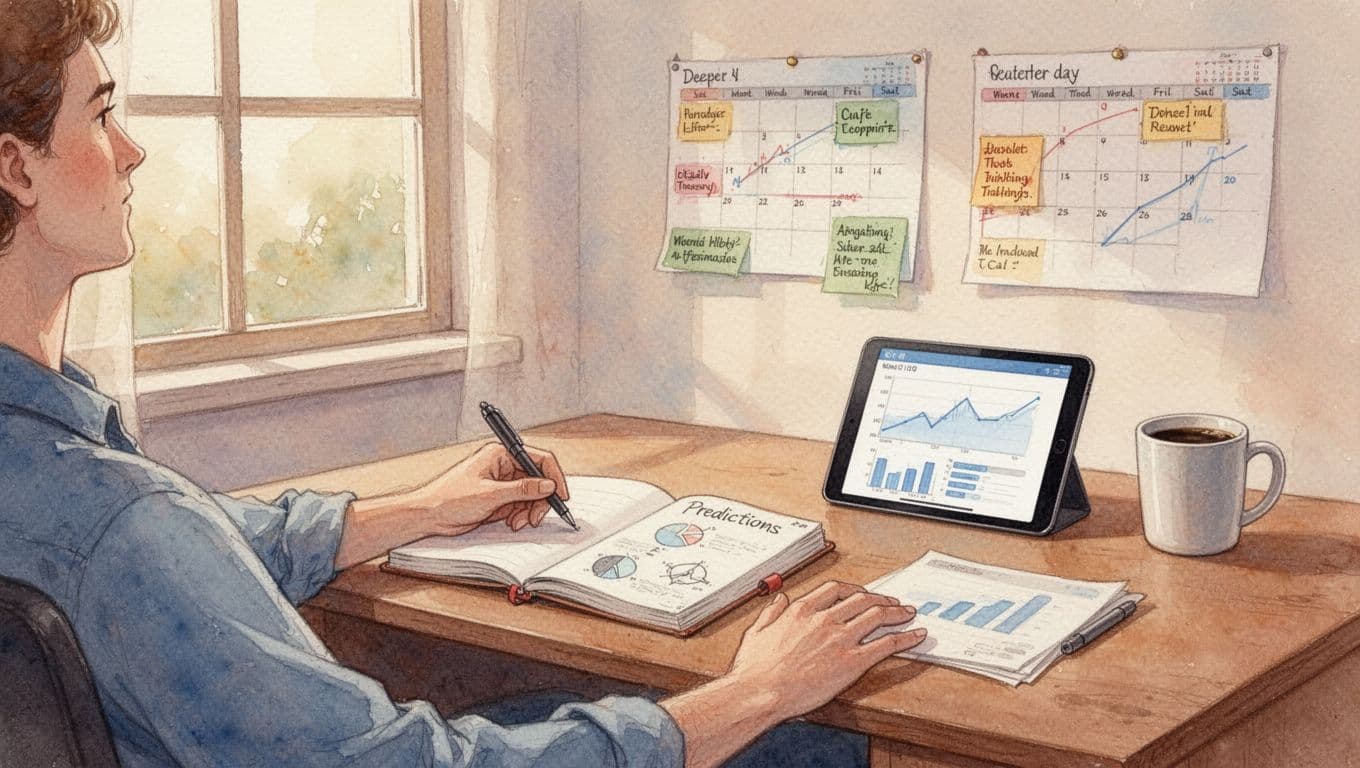
- Journal your predictions each morning. Write down what you expect from the day. For example, note “This meeting runs 30 minutes” or “That email gets a quick yes.” At night, check facts. This fights hindsight bias and overconfidence. You’ll spot patterns in your guesses fast.
- Name your emotions three times a day. Pause and ask, “What do I feel right now?” Pick exact words like “frustrated” over “mad.” Jot it with body clues, such as tight shoulders. As a result, you dodge emotional biases that cloud judgment. Stress drops, and choices stay clear.
- Seek proof that you’re wrong before decisions. Hunt one fact or view against your first thought. Ask, “What might I miss?” Do this for news, talks, or plans. Therefore, confirmation bias loses power. Your views balance out quick.
- Check stats first on big risks. Skip headlines. Pull real numbers from trusted sites. Compare them to vivid stories in your head. For instance, log flight safety versus drive stats weekly. This kills availability heuristic. Facts guide you, not fear.
- Get weekly feedback from one trusted person. Share a recent choice. Ask, “What blind spots did I miss?” Listen without defense. In addition, it curbs Dunning-Kruger and authority bias. Real input builds skills and humility.
- Protect 30 minutes of focus daily. Block phone alerts. Dive into one task with no distractions. Notice urges to check news or scroll. Pause them. So, you catch sunk costs or attribution errors mid-thought. Clear head means better calls.
- Gather three views on key topics. Before acting, check different sources or people. Side-by-side notes help. This beats anchoring and optimism bias. Full pictures lead to smart moves.
These habits rewire your brain over time. Track them in a simple app or notebook. You’ll argue less, save money, and trust your gut more.
Try one this week. Which grabs you first? Stick with it, then add another. For more depth on habits to avoid cognitive biases, see Early Years TV’s guide to clearer thinking. Your sharper mind waits.
Conclusion
You now know the 12 common thinking errors. Perception traps skew your views with confirmation bias or anchoring. Self-esteem ones like Dunning-Kruger overrate skills. Action mistakes trap you in sunk costs, just like that bad movie ticket from the start. In addition, 2026 AI biases demand fresh checks. However, the seven daily habits give you the edge.
These small routines yield big wins. You cut stress, build fairer teams, and sharpen choices at work or home. For example, journaling predictions fights hindsight bias fast. As a result, real growth follows because awareness turns into action.
Habits like seeking opposite views or checking stats first rewire your brain over time.
Which thinking error hits you hardest? Comment your biggest one below. Share this post with a friend stuck in biases. Subscribe for more mind hacks.
Clearer thinking starts today.