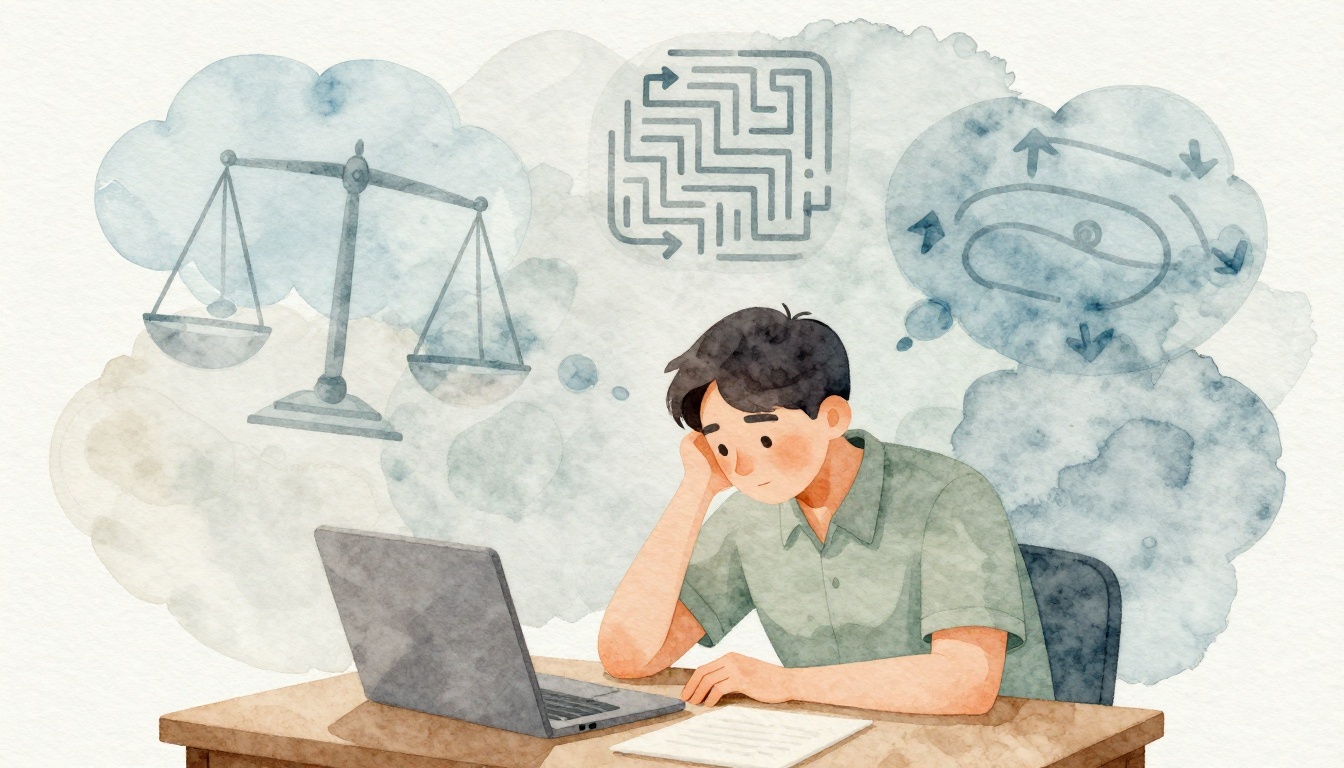
Picture this. You’re in a heated debate with a friend about politics. You both grab phone examples that match your views. Facts against them? You skip those fast. This snap shows confirmation bias in action. It pulls everyone.
Cognitive biases act as mental shortcuts. They save time but twist your choices. You make errors in jobs, relationships, or buys. Recent 2026 research highlights the issue. Stress ramps them up. One study with 1,648 people used chatbots for decisions. Tough chats boosted framing effect and status quo bias. People stuck to defaults or swayed by wording under pressure.
Why care now? Better awareness leads to smarter moves. You avoid bad hires or regrets. This post covers top biases from fresh studies. You’ll spot signs in daily life. Plus, you’ll get science-backed steps like pre-mortems and AI checks. Start catching these traps today.
The Top Cognitive Biases Sneaking Into Your Everyday Thoughts
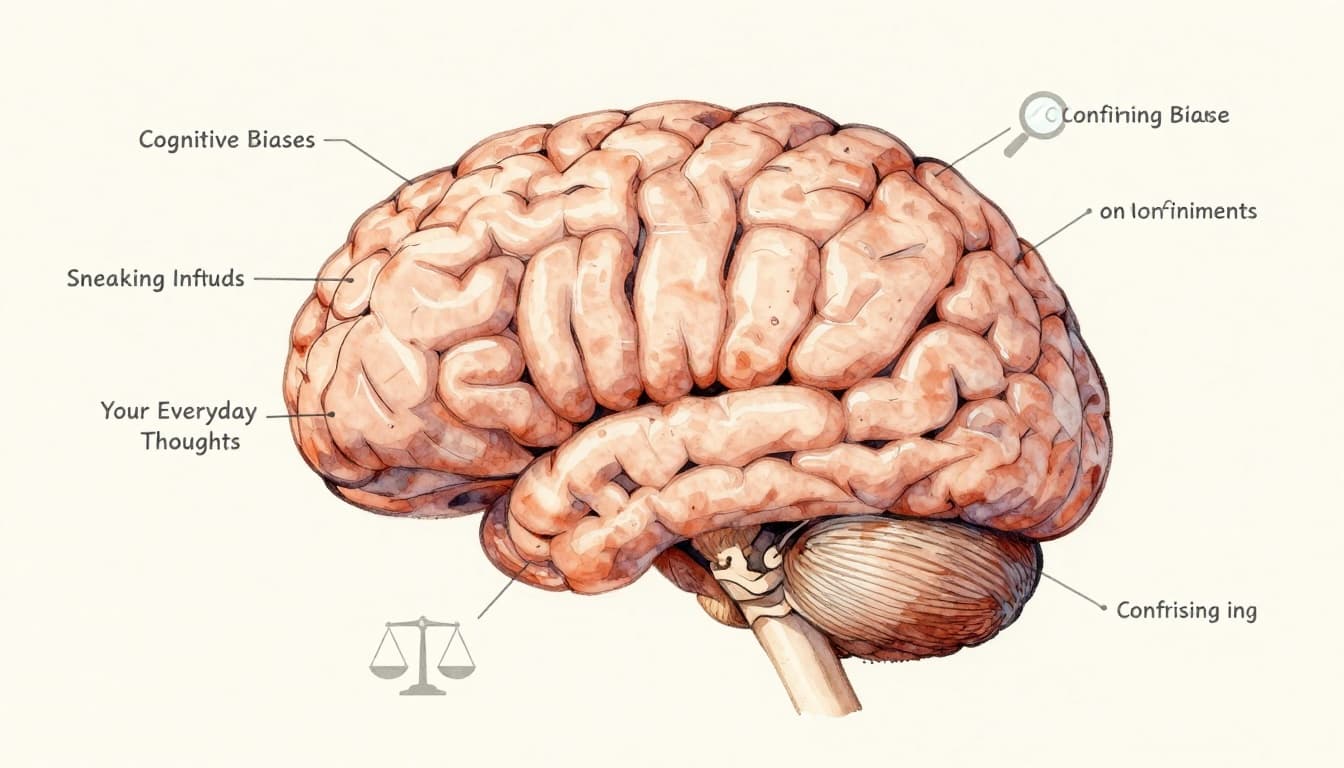
Your brain loves efficiency. It grabs patterns quick. But this creates biases. They sneak in during routine picks. Recent 2026 work shows five stand out: confirmation bias, loss aversion, overconfidence, framing effect, and status quo bias. Stress makes them worse, per chatbot tests on thousands.
Confirmation bias leads the pack. You seek info that fits beliefs. Loss aversion hits next. People fear losses twice as much as gains. Overconfidence fools you into overrating skills. Framing effect sways you by how facts get worded. Status quo bias keeps you glued to the usual.
These hit hard because they feel right. Your brain skips the work of doubt. In 2026 reviews, they spike under mental load. Leaders dodge risks from loss aversion. Investors chase hunches from overconfidence.
Confirmation Bias: Why You Ignore Facts That Challenge Your Beliefs
You hold a view. Say, a diet works best. So you scroll feeds for success stories. Warnings? They vanish from sight.
This bias filters reality. A 2026 arXiv study measured it in code reviews with AI. People favored expected flaws. It spreads wide. One trial with 1,479 folks cut fake news buys after bias lessons. Skeptics changed most.
To fight it, hunt opposite facts. Next debate, ask for counter proofs. This breaks the loop.
Loss Aversion: When Fear of Losing Stops You from Winning Big
Losses sting double. You skip a job switch. The new pay tempts, but quitting feels like defeat.
A NIU 2026 review by Devaki Rau scanned 169 studies. Loss aversion tops biases in leaders. It blocks growth like new products. Yet it curbs wild risks too.
Rau notes mixed effects. Test it in labs or watch eye tracks on losses. Feel the pull? That’s it. Weigh gains equal to pains next time.
Overconfidence: Thinking You’re Always Right and Missing the Risks
You bet on a stock tip. No deep check. Gut says win.
This overrates your know-how. A 2026 arXiv paper on AI trust shows humans spot overconfidence fast. They adjust after bad calls. But solo, you miss risks. LLMs boast wrong answers 20-60% too.
Tune down surety. Ask what proof backs your call.
Key Signs Your Thinking Might Be Biased Right Now
Biases hide well. They mimic gut smarts. Spot them early to pause bad paths.
First sign: quick jumps to ends. You judge a coworker from one slip. No full story.
Second, you dismiss fresh data. A report challenges plans. You call it flawed.
Third, total surety hits. Choices feel 100% right, no doubts.
Fourth, old habits rule. Evidence pushes change. You cling anyway.
Fifth, criticism stings sharp. Feedback feels like attack.
Mental load amps these. 2026 chatbot studies prove stress worsens picks. Daily examples abound. Shopping? You grab the known brand. Parenting? One kid style fits all.
Pause mid-thought. These flags scream check yourself.
Quick Gut Checks to Catch Bias in the Moment
Ask simple questions. They interrupt auto-pilot.
What if I’m wrong? This flips your sure bet.
What’s the other side? Hunt disproofs active.
How would I tell a friend? Outside view clears fog.
These draw from bias guides. Use them in buys or chats. They slow fast think. Practice builds speed.
Simple Steps Backed by Science to Spot and Beat Your Biases
Awareness starts wins. But action seals it. 2026 sources give clear tools. They cut errors in tests.
First, pause. Name the bias at play. “Is loss fear talking?”
Rephrase the issue. Swap words for fresh angle.
Build checklists. List pros, cons, options.
Do pre-mortems. Imagine fail ahead.
Play devil’s advocate. Argue against.
Journal picks. Track outcomes later.
Feed choices to AI. Models predict flaws well.
These slow System 1 think. Teams gain too, but solo works fine. Studies show 30% error drops with practice.
Daily reps make habits. Start small.
Use Pre-Mortems and Checklists for Bulletproof Decisions
Pre-mortems shine. Assume your plan flops. List why.
Say, new diet. Reasons: skips meals, quits fast, ignores stress eats.
This uncovers blind spots. One site calls it calibration gold.
Checklists pair well. Note assumptions. Add alternatives. Test evidence.
At work, list project risks. Home, goal hurdles.

Results beat hunches. Leaders use them for big calls.
Leverage AI Tools to Predict Your Own Bias Patterns
AI spots what you miss. 2026 research tests LLMs on bias chats. They nail stressed picks.
Paste your choice: “I pick this job. Spot my bias?”
Prompt: “What bias fits here? Pros cons?”
It mirrors objective. arXiv work shows prediction power.
Pros: quick, no judge. Use GPT-4 or kin.
Limits? AI grabs data biases. Still, beats solo.
Try now. Patterns emerge fast.
Catch top biases like confirmation or loss fear. Watch signs like quick jumps or old sticks. Steps such as pre-mortems and AI checks build clear paths.
Pick one tool today. Run a pre-mortem on your next choice. Small shifts stack big. In this AI era, fresh research keeps methods sharp.
Clear thinking wins lives. What’s your first bias bust? Share below.