Picture this: your friend shares a hot tip on a killer online deal. It sounds perfect. You buy in fast and lose cash because the facts didn’t add up.
Critical thinking means carefully questioning, analyzing, and judging information to make smart choices based on facts. Fake news floods feeds. Big decisions like jobs or votes demand better. This post breaks it down into core parts, easy steps, real wins, myths, and 2026 trends. You’ll walk away ready to think sharper.
The Core Pieces That Make Up Critical Thinking
Critical thinking rests on key skills you can build. First, you question what you see or hear. Next, you analyze arguments and sources. Then, you interpret information clearly. After that, you evaluate evidence and biases. Finally, you judge based on solid facts.
It also means spotting assumptions, purposes, and other viewpoints. These pieces work together for real smarts. Take a friend’s wild story about a job scam. You don’t just nod. Instead, you ask for details and check sources.
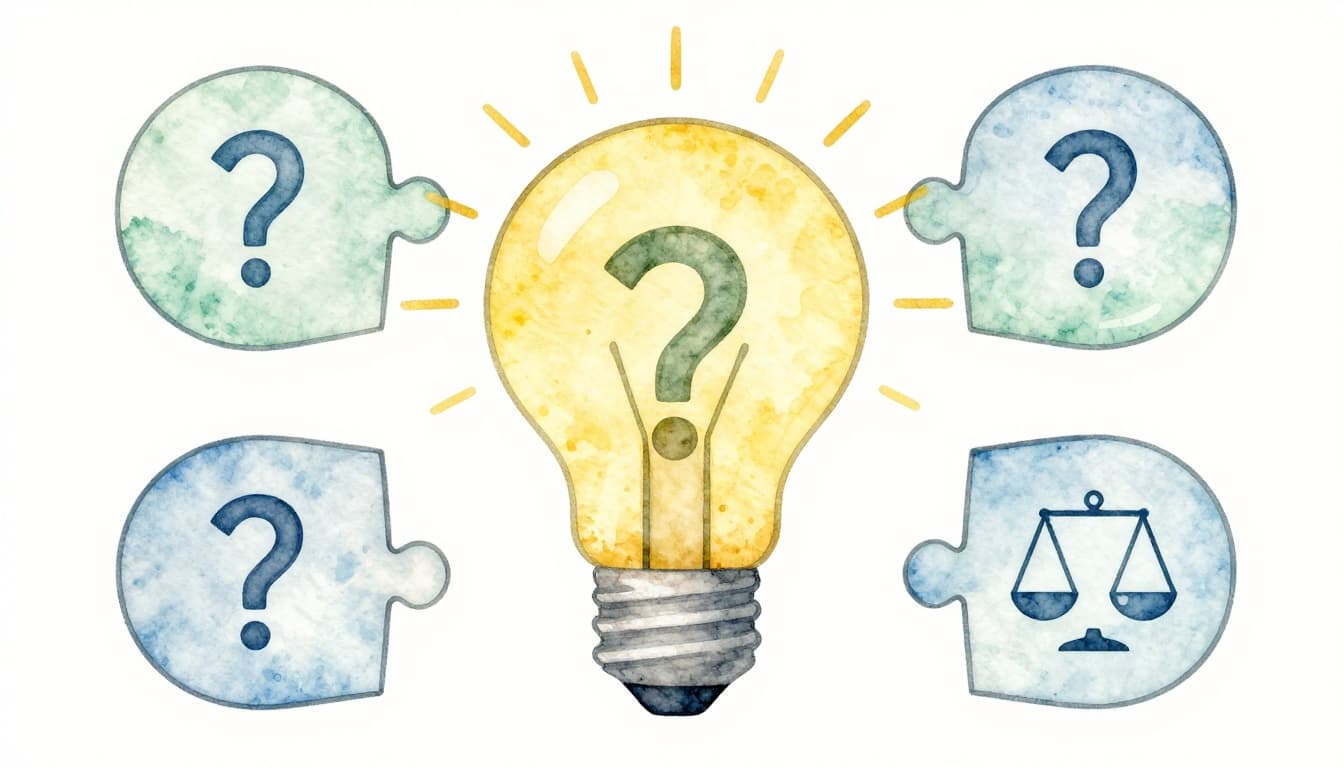
Questioning uncovers weak spots. Analyzing spots flaws in logic. Interpreting keeps meanings straight. Evaluating weighs proof fairly. Judging picks winners from facts.
For a basic definition, check Merriam-Webster’s entry on critical thinking. It stresses reason and doubt to solve problems.
These parts fit everyday needs. They help you sift truth from hype.
Why Questioning Everything Is Your First Move
Questioning starts it all. You probe sources, info, and claims. Don’t accept at face value.
A shopper eyes a gadget. Reviews glow. But you check dates and patterns. One bad batch hides in old posts. Questioning spots tricks. It builds caution without rudeness.
Ask who says it. Why now. What’s missing. This habit filters noise. Sources matter because anyone posts online.
In short, questioning opens doors to truth.
How Analyzing and Evaluating Build Trust in Facts
Analyzing breaks down logic, evidence, and biases. Evaluating tests ideas fairly.
A headline screams doom. Emotions rise. But facts? Studies say otherwise. Analyze the chain: claim to proof. Spot bias in loaded words.
Check your own views too. We all lean one way. Self-check keeps balance.
Evaluating means fair weights. Strong evidence trumps feelings. As a result, trust grows in what holds up.
Your Easy Step-by-Step Path to Critical Thinking
Follow these six steps for clear thinking. They form a path anyone can use. Be fair. Watch biases. Stay open. Pause before reacting. Practice daily builds the habit.
- Clarify your goal and context. Know the problem first.
- Question sources. Dig into who and why.
- Identify main arguments. Pinpoint key points.
- Analyze evidence and logic. Test for holes.
- Evaluate ideas, including yours. Weigh all sides.
- Create a strong personal argument. Base it on facts.
These steps mirror processes like Asana’s seven steps for workplace critical thinking. Adapt them anywhere.
Start Strong by Clarifying What You Really Need
Step one sets the base. Define the goal. What’s the real issue?
Before voting, ask yourself. Economy? Health? Pinpoint your top need. Context shapes it. Local rules matter.
Clarity cuts confusion. You focus energy right.
Question and Analyze Like a Detective
Steps two through four dig deep. Question sources. ID arguments. Check evidence.
A voter hears promises. Check multiple sites. Politician’s site? Opponent’s take? News clips? Logic holds if proof matches claims.
Biases sneak in. Cross-check builds strength. Gaps show up fast.
Finish with Fair Judgment and Your Own Take
Steps five and six wrap it. Evaluate all views. Build yours.
A student debates history. Sources from both sides. Weigh facts. Your argument stands tall.
Fairness wins respect. Open minds spot better paths.
Real-Life Wins and Why Bother with Critical Thinking
Critical thinking pays off daily. It sharpens problem-solving. You spot biases and fakes. Decisions stick better. Talk gets clearer. Success follows in school, jobs, life.
A shopper skips bad buys. Reviews checked. Money saved.
Voters ignore emotional ads. Facts guide picks.
During COVID, masks? Studies over rumors. Health protected.
Confidence grows. Less stress from wrong calls. For more on daily perks, see Psychology Today’s take on critical thinking benefits.
Better choices lead to calm. Relationships improve too. Share ideas backed by proof.
Common Myths About Critical Thinking Busted
People get it wrong often. It’s not just negativity. You build fair ideas, not tear down.
Myth one: born talent only. No. Practice grows it. Anyone starts small.
Myth two: school alone. Wrong. Use it on news, ads, chats daily.
Myth three: ditch feelings. Nope. Check them with facts. Balance rules.
For common pitfalls, read this debunking of critical thinking misconceptions. It reassures it’s for all.
These busts make it approachable. Start now.
Critical Thinking Trends Shaping 2026 and Beyond
A skills gap hits hard. Managers say teams lack it. Grads think they have it. In the UK, 70% worry about AI jobs overall. Yet only 39% see risk in theirs.
AI worsens it. Over-reliance rusts skills. Employers prioritize analytical thinking top. World Economic Forum agrees.
Jobs demand analysis amid misinformation. Firms test for it in hires. Training rises. Media literacy pairs with empathy.
See QS insights on skills universities must build. Lifelong practice fits 2026 needs.
Stay ahead. Practice beats the gap.
Critical thinking boils down to questioning, analyzing, and judging facts for smart picks. Use the six steps. Gain wins like better choices and confidence.
Try one step today. Question a news story. Share your win in comments. Practice with friends. Think sharper starts now.