
You wake up late again, rush through breakfast, and hit traffic. Your budget feels like a black hole because impulse buys sneak up every month. These everyday frustrations pile up, right?
Most people fail to solve everyday problems more effectively because they rush in without clear thinking. They slap on quick fixes that don’t last. Experts like Derek Sivers point out we need root cause analysis first; ask why you default to chaos.
This post shares simple, proven steps from 2026 advice by productivity pros. You’ll get mindset shifts to rethink issues, step-by-step breakdowns for chronic lateness or messy budgets, habit systems that stick with tiny wins (they release dopamine, after all), ready frameworks, and AI tools for quick boosts. For example, chunk your time or log one expense daily to build momentum.
Ready to fix your frustrations for good?
Stop Spinning Your Wheels: Define the Problem Right
You chase symptoms and waste hours on fixes that flop. Why? Because you skip defining the problem clearly. Write it down first. Don’t say “I’m always late.” Say “I leave the house 10 minutes late because I scroll my phone in bed.” This sharp focus stops guesswork. It points you to real fixes.
Experts call this root cause analysis, a top 2026 strategy for effective problem solving. You avoid repeat headaches. A stressed parent skips it and battles kid tantrums daily. She thinks it’s “bad behavior.” Dig deeper. The kid acts out because of hunger from rushed mornings. Fix the routine, and calm returns. Job hunters do the same. “No interviews.” Real issue? Resume skips key skills. Precise wording reveals that fast.
Quick practice tip: Grab a notebook now. Pick one annoyance. Describe it in one exact sentence. Feel the shift already?
Ask the 5 Whys to Uncover Hidden Causes
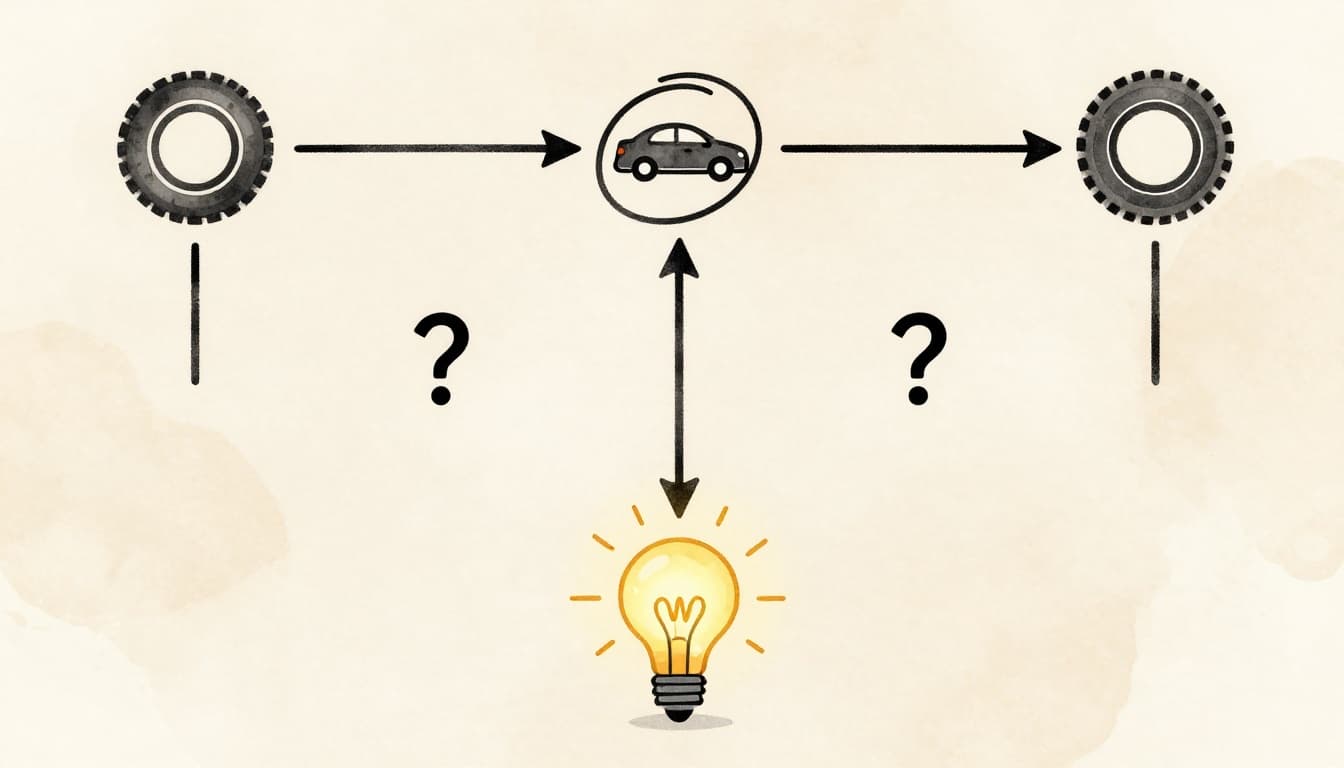
Most fixes treat symptoms only. You feel tired all day. You grab coffee. It wears off. Repeat. The 5 Whys technique digs deeper. Ask “why” five times. You hit the root cause. Then solve it once.
Sakichi Toyoda created this for factories. Now it boosts personal productivity. For example, you’re tired. Why? Poor sleep. Why? Late nights scrolling. Why? No bedtime cutoff. Why? Phone stays bedside. Why? Root cause: Habit of checking notifications last thing. Set phone across the room. Sleep improves for good.
Try budget overspending. Problem: Over budget monthly. Why? Impulse buys. Why? Shop when stressed. Why? No quick stress outlet. Why? Skip breaks at work. Why? Root cause: Pack too many tasks. Add 10-minute walks. Spending drops.
Here’s how to do it. Follow these steps:
- Write the problem in one sentence.
- Ask “why” and answer.
- Make that answer your new problem. Ask “why” again.
- Repeat up to five times. Stop at the fixable root.
- Plan a fix and test it.
In 2026, use AI chats to simulate whys. Type your issue. Let it probe. Track wins in a note app. See patterns weekly.
For more on this method, check the 5 Whys guide from Mind Tools.
Draw It Out to Spot Connections You Miss
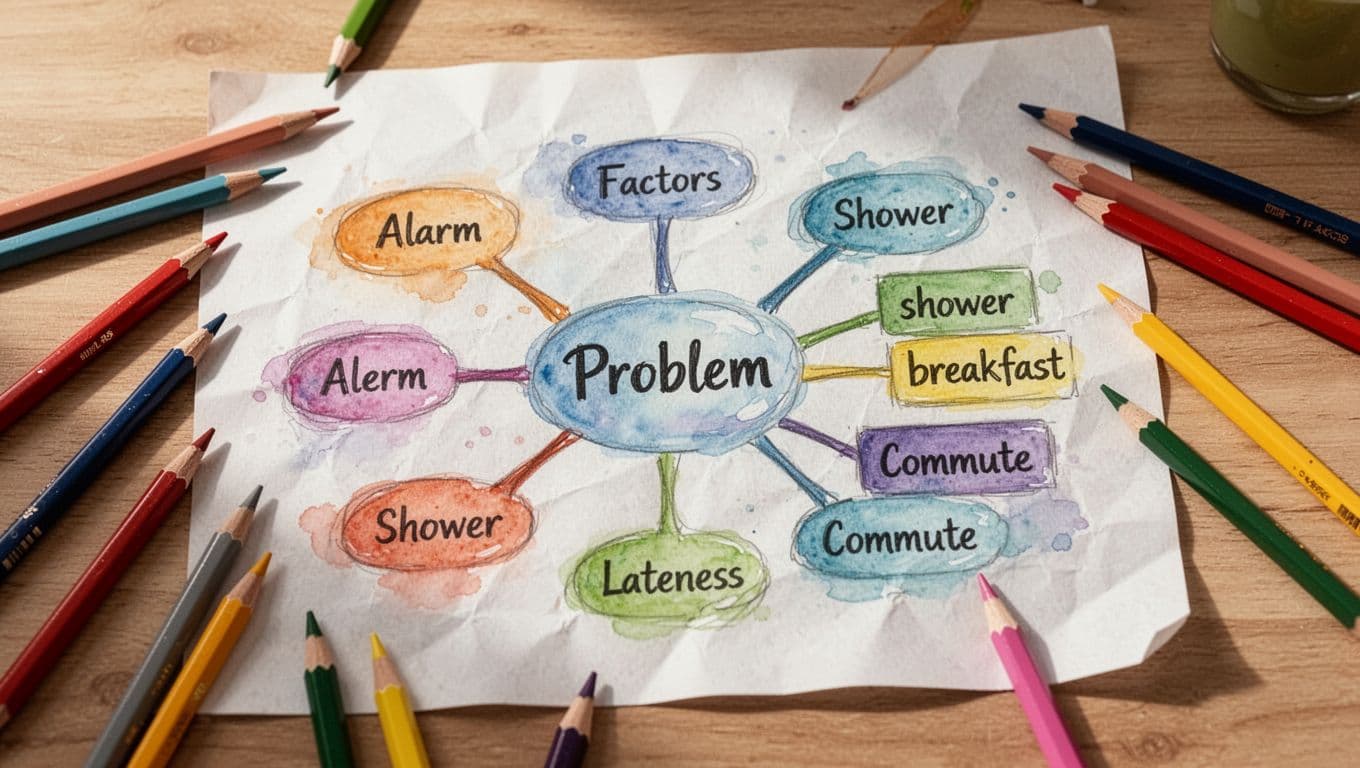
Words alone miss links. Sketch your problem instead. Use mind maps or flowcharts. Start with the issue in the center. Branch to causes. Connections pop.
Take chronic lateness. Center: “Late to work.” Branches: Alarm fails, long shower, no breakfast prep, traffic snags. Boom. You spot no buffer time. Add 15 minutes. Problem solved.
A worker mapped email overload. Center: “Inbox chaos.” Branches: No filters, check every ping, multitask replies. She saw constant interruptions. Set two check times daily. Stress gone.
Benefits stack up. Sketches simplify mess. They reveal weak spots fast. Plus, they’re fun. No skills needed.
Use paper and pens. Or free tools like those in top free mind mapping software lists for 2026. Draw one today. Pick lateness or budget leaks. Watch hidden ties appear.
This step builds clear thinking. Next, you’ll act on it.
Chop Big Problems into Small Wins You Can Crush
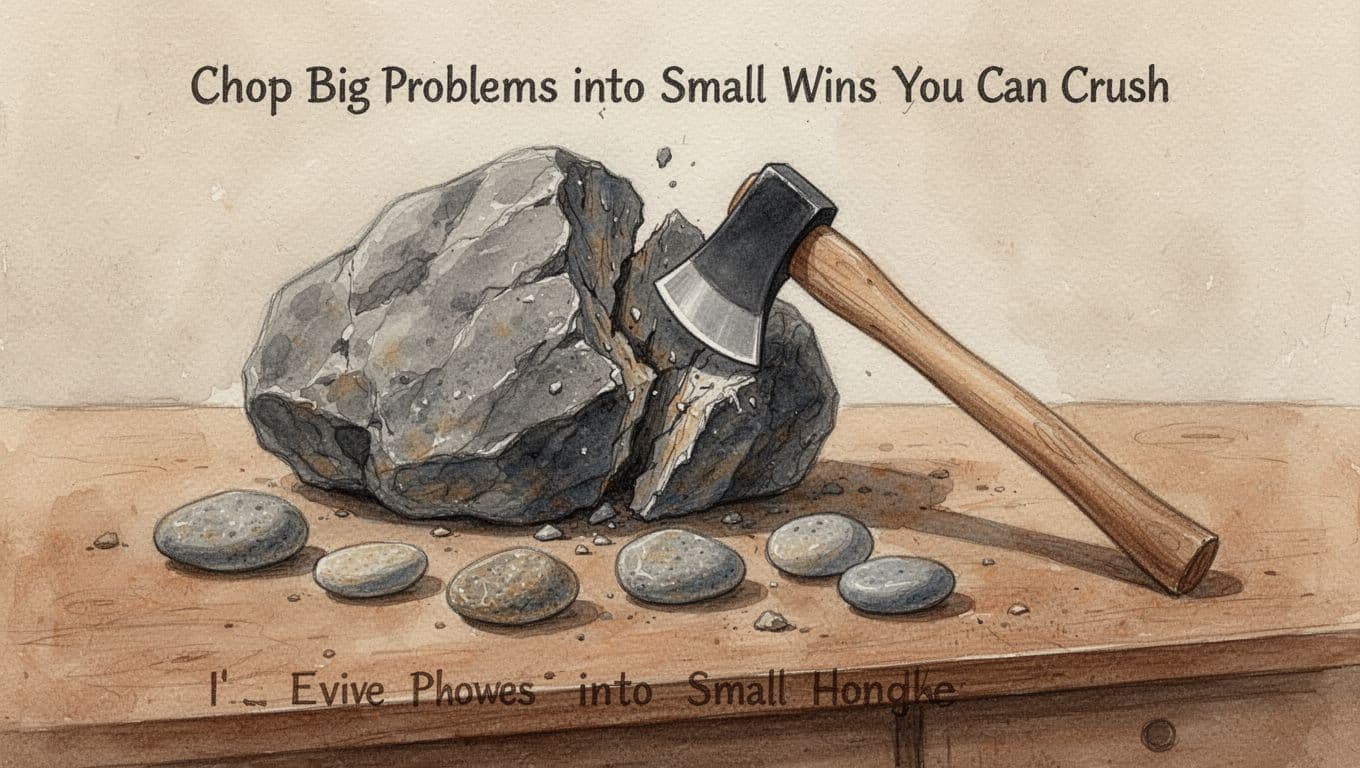
Big problems overwhelm you because they feel like mountains. You stare at them and freeze. So chop them into small wins you can crush fast. This builds momentum. Your brain loves those quick dopamine hits. As a result, you keep going.
Start by listing everything in one spot. Grab a notebook or app. Write every task from emails, notes, and your head. Then break each into tiny steps you finish in minutes. For example, high stress hits hard. Don’t tackle “fix life.” Instead, list these in order:
- Cut news scrolls by 30 minutes today.
- Walk 10 minutes after lunch.
- Delegate one chore to family tonight.
Tackle one by one. Check it off. Feel the rush. Next, repeat. Parents use this for chaos. One mom broke “organize house” into “sort one drawer now.” She won daily. Writers do it too. “Finish book” becomes “write 200 words before coffee.”
This method matches 2026 high-performer tips. They assign tasks even to themselves, like calendar blocks. You gain focus and cut stress.
Prioritize Tasks by Energy and Impact
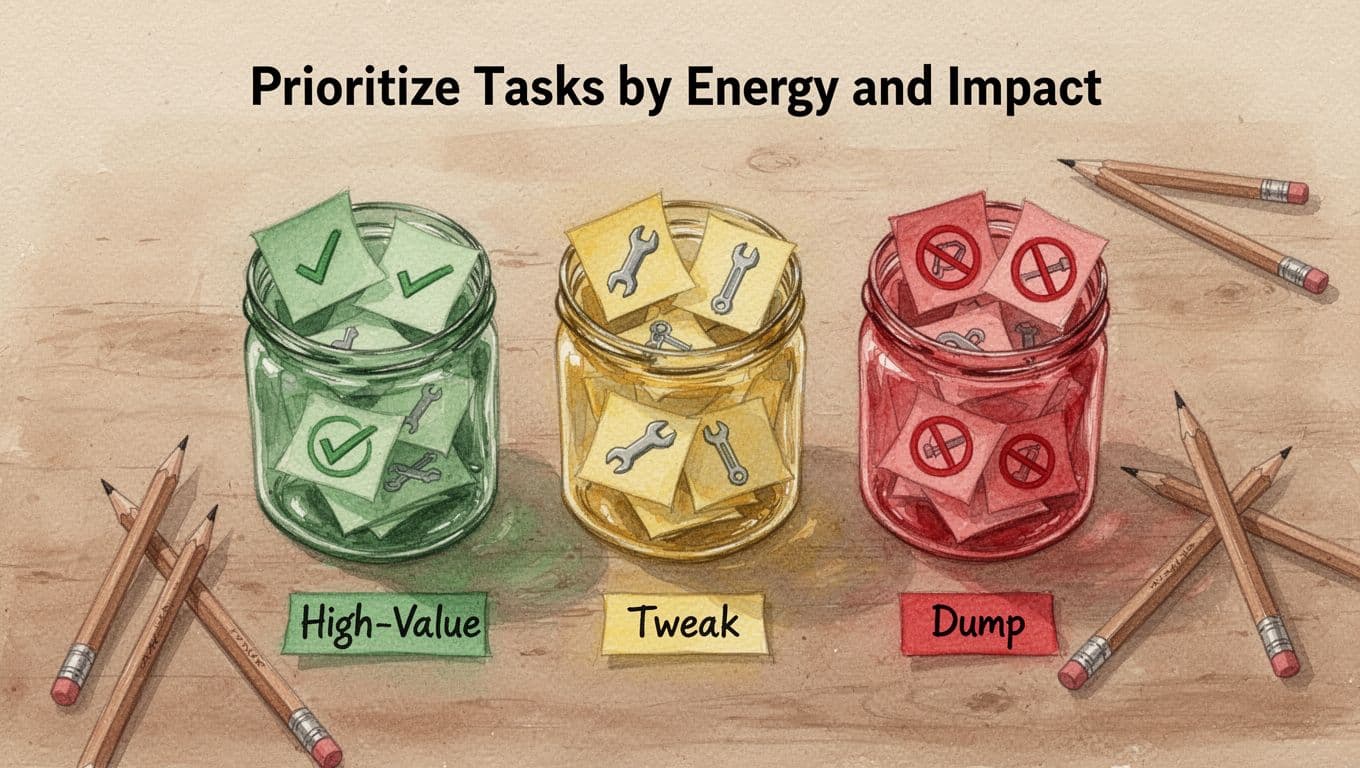
You list tasks, but which first? Audit them with a traffic light system. Sort into green for high-value keepers, yellow to tweak later, and red to dump now. This sharpens focus. Do it daily on your list.
A stressed parent faces endless emails. She marks them red and dumps the inbox ritual. Green gets kid routines that boost joy. Yellow means quick family check-ins with tweaks.
Rate by energy (your sharp times, like mornings) and impact (big results from small effort). High energy plus high impact goes first. Save low ones for afternoons.
Here’s a simple table to guide you:
| Color | Meaning | Example Tasks | Action Now |
|---|---|---|---|
| Green | High value | Plan meals, key work calls | Do during peak energy |
| Yellow | Needs tweak | Delegate chores, adjust budget | Schedule for low-energy slot |
| Red | Dump it | Endless emails, low-pay gigs | Delete or say no today |
This setup builds wins fast. For details on this approach, see Sage Grayson’s traffic light method guide.
In 2026, pros track these in apps for auto-sorts. Pick your top three greens each day. Crush them. Momentum snowballs from there.
Build Habits and Systems That Fix Issues on Autopilot
Quick fixes fade fast. You need habits that run on autopilot. Pick a North Star goal first, like “finish key tasks daily without stress.” Then build systems around it. These create compounding wins. A writer I know set one Power Hour. She outlined her book in weeks. Her team later cut bad meetings after weekly resets. Progress snowballed. You can do the same. Start small. Watch problems vanish over time.
Guard Your Daily Power Hour Like Treasure
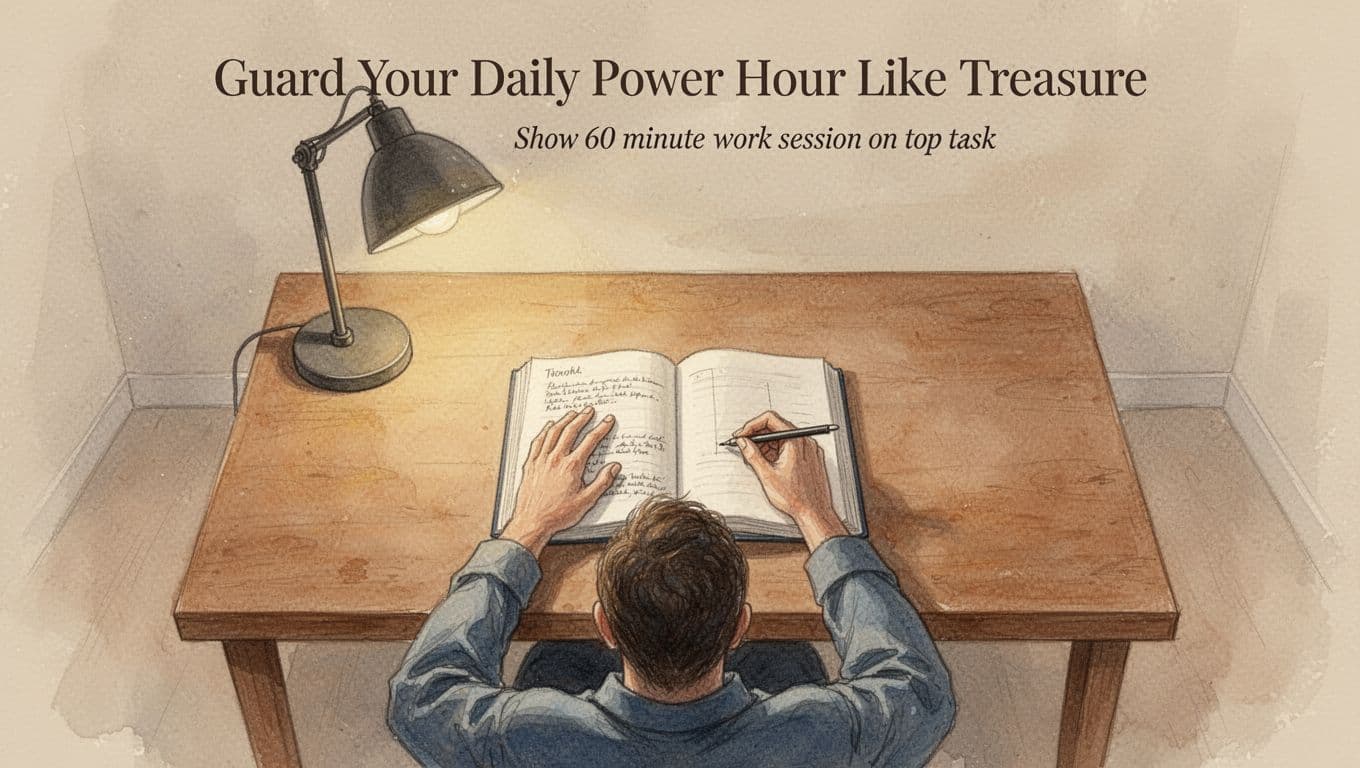
Pick your top task each morning. Block one hour, no distractions. Turn off notifications. Close tabs. Use a timer. Focus only on that goal.
For example, you want to outline a book. Sit down at 8 AM. No phone. Just pen and paper. In 60 minutes, you finish a full structure. Results hit hard. Progress speeds up because you ship work daily.
Beginners, start easy. Pick your sharpest time, often mornings. Tell family “do not disturb.” Put your phone in another room. After one week, you’ll crave it. One dad did this for job search prep. He landed interviews faster. As a result, his confidence grew.
For setup tips, see Ink+Volt’s one-hour productivity hack.
Reset Weekly to Spot and Squash Recurring Hiccups
Sundays work best. Spend 30 minutes reviewing your week. Clean your desk. Note what dragged you down. Plan the next seven days.
You spot patterns fast. For instance, meetings ate three hours daily. Cut two low-value ones. Block time for deep work instead. Better systems form naturally.
A manager tried this. He saw email overload from poor sorting. He set rules and halved his inbox time. Energy returned. In addition, his output doubled. Make it ritual. List wins first. Then fixes. End with top three priorities.
This builds momentum. Problems shrink before they grow. Check Beyond Time’s Sunday reset guide for a full walkthrough.
Let AI Handle the Grind So You Focus on Wins
By 2026, set three automations. Use free tools like ChatGPT or Gemini. Summarize news. Plan budgets. Sort emails.
Input “fix my budget” into ChatGPT. It spots root causes and lists steps. Or tell Gemini to auto-sort your inbox by priority. Free tiers handle most needs.
Zapier connects apps with simple commands, like “log expenses to Sheets.” Goblin Tools breaks habits into steps. A freelancer automated news summaries. She saved two hours weekly. Her team cut meeting prep with AI schedules.
Here’s a quick table of power moves:
| Power Move | Example Result | Free Tool |
|---|---|---|
| Daily Power Hour | Writer outlines book fast | Timer app |
| Weekly Reset | Team drops bad meetings | Notebook |
| AI Automations | Auto-sorts inbox chaos | ChatGPT/Gemini |
These stack up. You focus on wins. Small setups lead to big freedom.
Clear Your Mind and Borrow Smart Frameworks for Extra Power
Your brain clogs up with stress and noise. As a result, good ideas stall. First, reset it with simple habits. Play daily clears fog without burnout. In addition, cut screen time. Recent research shows play boosts mental clarity and problem-solving by releasing endorphins. It lowers cortisol too. Meanwhile, less scrolling sharpens focus. Adults who swap screens for fun gain creativity and calm fast.
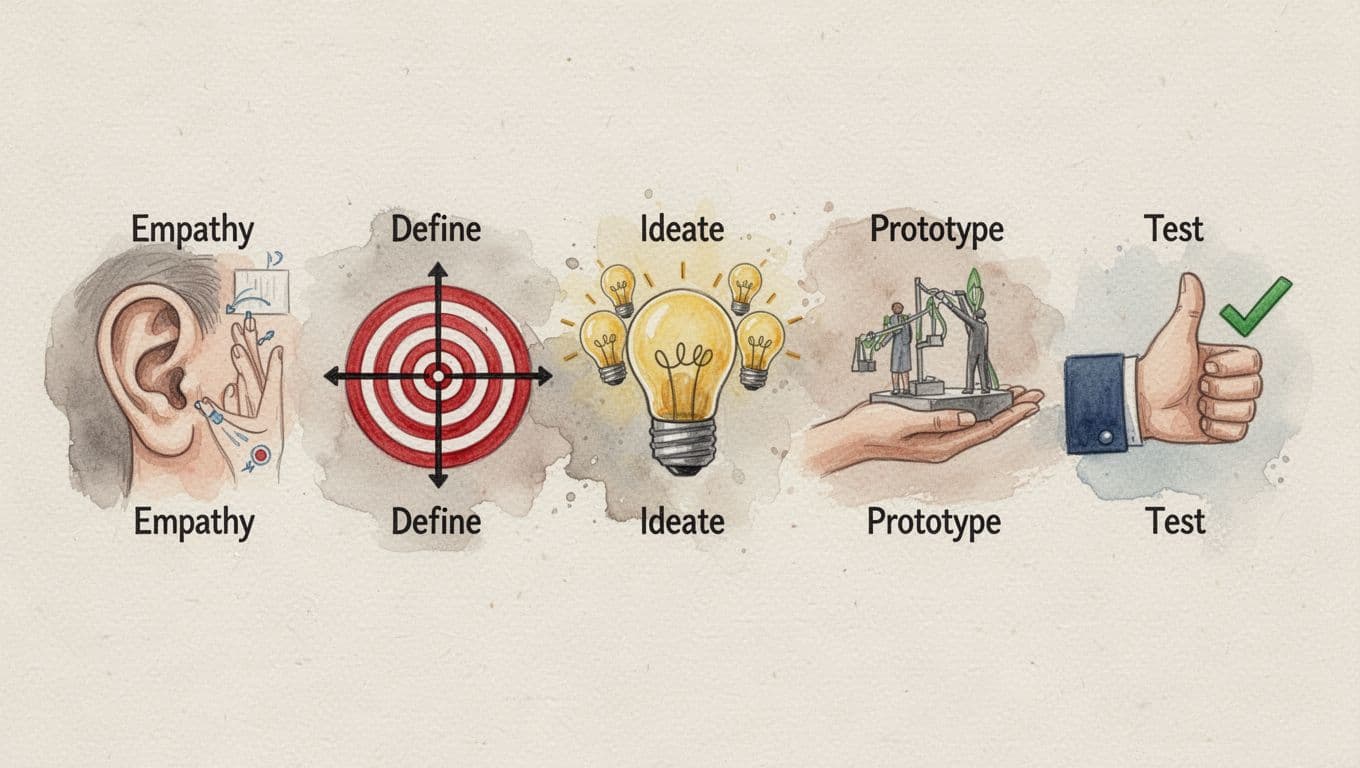
Next, borrow proven frameworks. Design thinking works great for daily issues. You empathize with your needs, define the problem, ideate fixes, prototype quick tests, and check results. For bad sleep, empathize: “I feel drained.” Define: “Hit bed too late.” Ideate: Dim lights early. Prototype: Try one week. Test: Track energy. AI helps here. Ask it “what if” scenarios for fresh angles.
These steps build clear thinking. A job hunter resets with play, then uses Power Hour. She dances first. Mind clears. Applications flow better.
For a full walkthrough, see Asana’s guide to the design thinking process.
Reset Your Brain with Play and Less Screen Time
Fun breaks recharge you. Dance alone or build Legos for 15 minutes. Studies confirm this sparks creativity and cuts anxiety. You enter a flow state. Problems look simpler after.
Limit news and social to 30 minutes daily. Because endless feeds spike stress. Instead, stay present. Focus on the next right action. Walk outside. Sleep eight hours. Connect with friends.
Picture this. Before job apps, you play. No more blank stares at the screen. Ideas pour out. One parent built Legos with kids pre-bedtime. Mornings smoothed out. She fixed routines easier.
Benefits stack. Play builds resilience. It fights burnout. Hands-on tasks like dancing improve mood and spatial thinking. So, pick one activity today. Schedule it before tough tasks. Your mind sharpens for wins.

Start small. Watch clarity grow.
Conclusion
You now hold the tools to solve everyday problems more effectively. Define issues clearly with the 5 Whys or sketches. Then break them into small wins. Build habits like Power Hours and weekly resets. In addition, grab AI and frameworks for quick boosts.
Small starts compound fast. Pick one frustration today, like lateness or budget slips. Apply these steps right away. As a result, momentum builds. Problems shrink before they grow.
Choose your top issue now. Block a Power Hour and act. Which everyday hassle will you crush first? Share your win in the comments. Everyday problems don’t stand a chance.