
Picture this. You bomb a job interview. Your mind goes blank on a key question. You walk out feeling crushed. But then you review what went wrong. You practice answers. Next time, you nail it and land an even better role.
Everyone makes mistakes. The difference lies in what you do next. Winners turn slips into steps forward. Recent studies back this up. For example, near-miss errors boost recall to 79 percent, compared to 54 percent from rote memorization. Your brain links close guesses to right answers, building stronger paths.
This post shows why mistakes teach better than flawless tries. You’ll see mindset shifts that help. Plus, traps to avoid and daily steps for smarter choices.
Why Your Brain Learns More from Flubs Than Perfect Runs
Your brain thrives on errors. Retrieval practice means guessing first, then checking. This beats passive reading every time. When you guess wrong but close, memory strengthens most. Scientists call it desirable difficulty. The effort creates multiple paths to recall info later.
Think of a coach during a bad play. They yell to fix it fast. Your brain does the same. Errors grab extra attention. They highlight risks in decisions. A wrong choice shows what not to repeat.
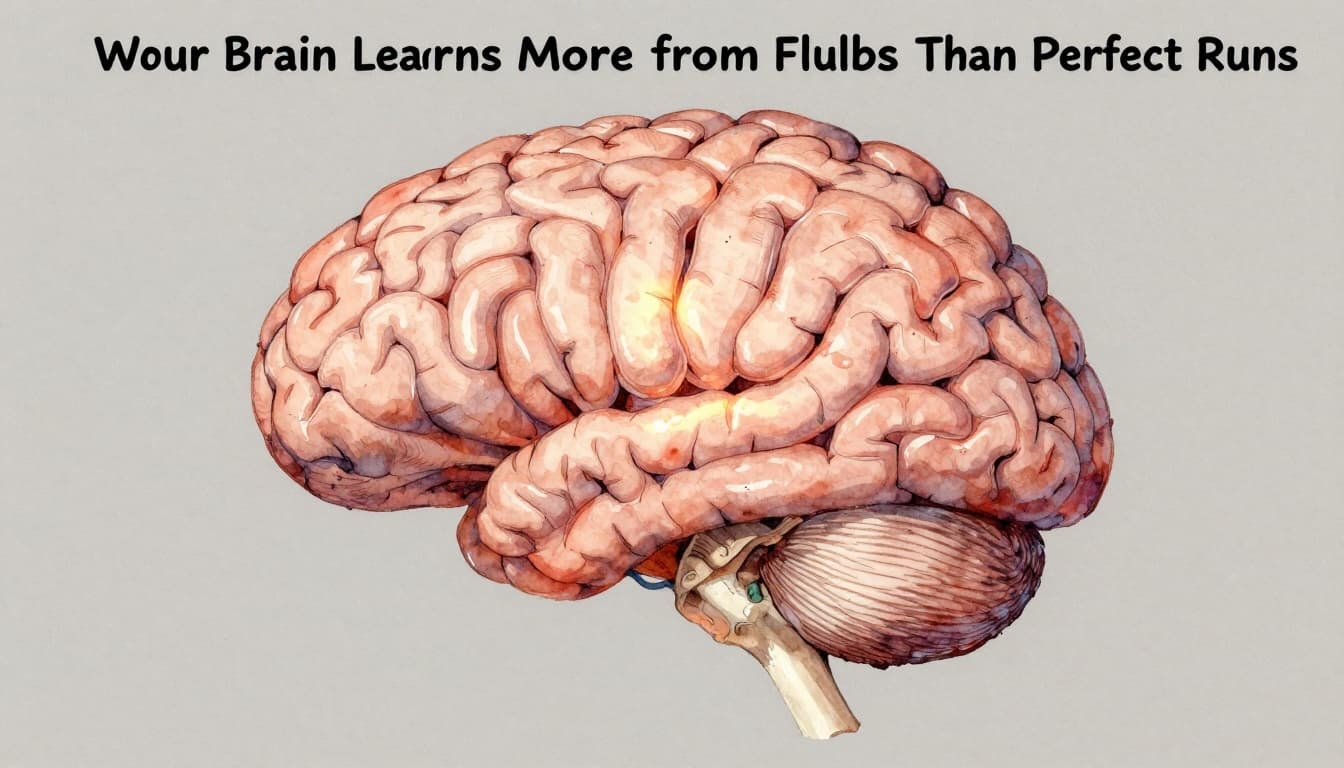
Recent research confirms this. In 2026 studies, quick fixes after errors lock in lessons better. Online quizzes falter without deep focus. But focused settings shine. Next error, note what stands out. Your brain flags the fix.
Key points include:
- Errors create episodic memories for why things fail.
- Near-misses improve recall by 25 percent over wild guesses.
- Feedback right after builds habits that stick.
The Power of Immediate Feedback After a Slip-Up
Quick corrections stop bad habits. Studies show waiting fades the lesson. Quiz yourself on a choice. Check the answer now. This cements it.
Contrast that with delays. Days later, the error blurs. You repeat mistakes. For decisions, act fast. Review a bad buy right away. See the pattern. Then choose better next time. Simple habit, big gains.
Swap Fear for Fuel with a Growth Mindset
Fear stalls you. A growth mindset flips that. Carol Dweck’s work shows fixed thinkers say, “I’m bad at this.” Growth folks reply, “I can get better.” They bounce back fast. Motivation stays high.
Bad decisions become practice. Reframe one today. “That failed pitch taught me timing.” Leaders pivot this way. Entrepreneurs fail, learn, succeed bigger.

Dweck’s 2026 updates stress strategies over effort alone. Growth grows in supportive spots. Students improve grades with mindset training. For details on developing a growth mindset, check proven steps.
Spot Fixed Mindset Traps in Your Daily Choices
Fixed traps show up daily. You avoid risks after one loss. Losses hurt twice as much as gains feel good. That’s loss aversion.
Antidotes help. After a flop, list three learns. Risk small next. Break the cycle. Growth sees setbacks as normal.
Dodge These Sneaky Traps That Sabotage Your Decisions
Traps derail choices. Rereading old notes feels good but fools you. Analyze instead. Stress reverts to old patterns. Perfectionism freezes action.
Herb Simon’s satisficing works. Pick good enough, move on. Fear drives bad insurance buys. Spot these:
- Status quo bias keeps you stuck.
- Sunk costs drag you down.
- Novelty pulls without thought.
For more on common decision traps, see real examples.
Managers fall 70 to 80 percent to emotions. Experience breeds overconfidence.
Why Stress Pushes You Back to Bad Old Habits
Stress hits the limbic system. Logic fades. You grab familiar paths. Like cramming wrong methods.
Practice calm choices in low stakes. Build new defaults. Then stress won’t win.
Everyday Steps to Turn Errors into Your Superpower
Start small. Turn slips into strength. Here are key strategies.
Journal what went wrong and why. Note the choice, error cause, better path. Try it next. Research shows this boosts reflection.

Practice mixed scenarios. Quiz varied questions. Mimics real life. Builds flexible thinking.
Trial in safe zones. Use apps for mock decisions. Low risk, high learn.
Loop quick feedback. Check results soon. Prevents repeats.
Accept good enough picks. Avoid paralysis. Move forward.
Vary practice types. Blurting, teaching others. Strengthens all around.
For decision journaling tips, try templates that transform quality.
Journal Your Way to Smarter Next Moves
Use this template: What happened? Why wrong? Better way? Next try? Five minutes daily. Builds metacognition.
Practice Choices in Low-Risk Games First
Apps simulate buys or talks. Role-play daily picks. Habit forms careful thought. Wins carry over.
Mistakes fuel growth when you use science and steps. Shift your mindset. Dodge traps. Practice daily. Pros started as beginners who learned from slips.
Pick one step now. Journal a recent error. Share in comments what you learned. 2026 tools promise even more help ahead. Better choices await.