You wake up with a head full of worries. Endless to-dos swirl around. Decisions feel fuzzy, and you stay stuck.
Grab a pen. Jot them down. Calm hits fast. Focus sharpens. Recent studies back this up. Handwriting boosts brain connections for learning. It cuts mental mess better than typing. Students recall info 25 percent faster by hand.
This post covers the science. It explains why handwriting beats typing. Plus, you get simple habits to start today.
Why Writing Things Down Clears Your Mental Fog Fast
Thoughts race in your mind. They pile up like clutter. Writing shifts them to paper. Chaos turns to calm.
Recent research shows this offloads mental load. It frees brain space. Focus improves as a result. Handwriting creates elaborate brain patterns. Typing falls short.
You gain room for creativity. Problem-solving gets easier. Stress drops too. Emotions process better on paper.
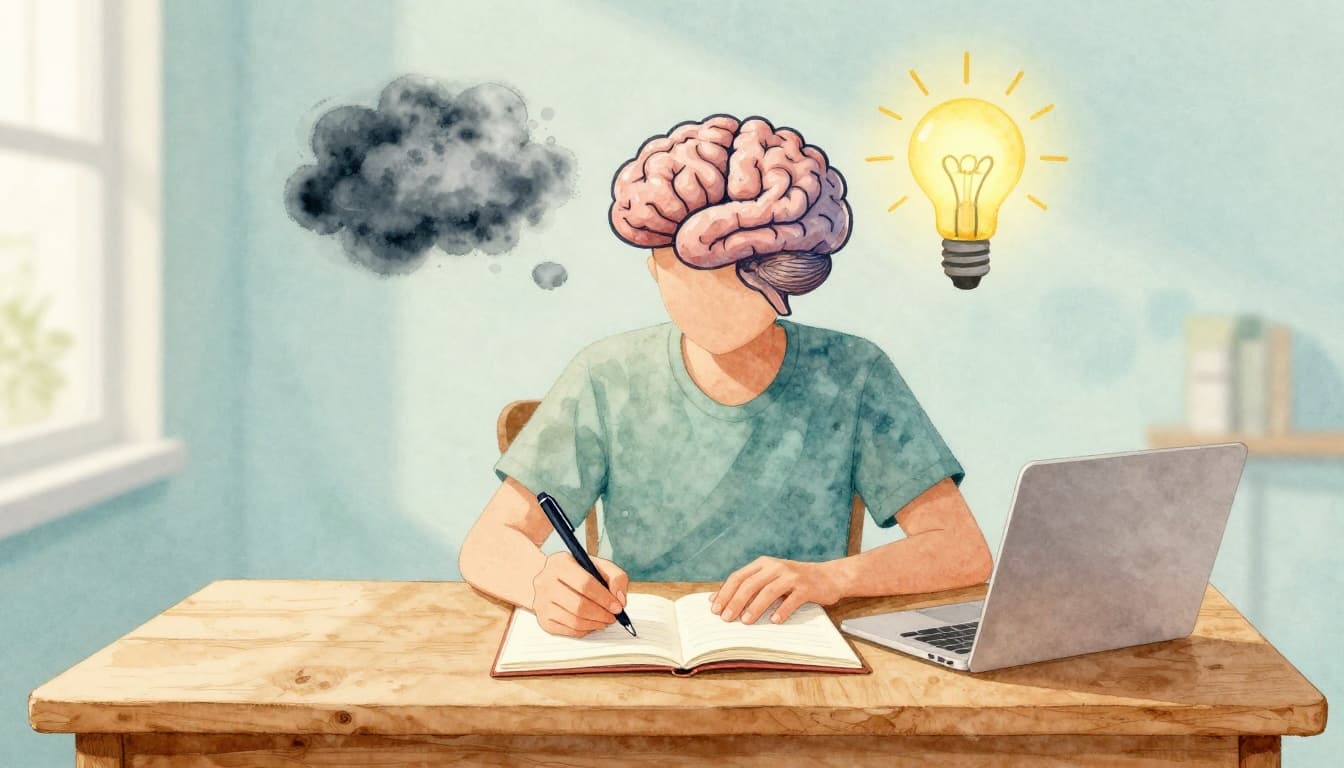
Frees Up Brain Power by Dumping Cognitive Clutter
Your brain holds too much at once. It juggles tasks and ideas. Writing dumps them out.
This clears space. Creativity flows in. You solve problems faster. A Norwegian study used EEG scans. Handwriting sparked wider brain activity. Students focused better.
Picture a jumbled workday. List meetings and deadlines. Suddenly, priorities pop clear. You act with purpose. Focus rises 15 to 20 percent in similar tests. Brain power returns.
Everyday wins add up. Mornings feel lighter. You tackle big goals.
Cuts Stress and Sharpens Emotional Clarity
Stress builds quiet. It hides in nagging thoughts. Journaling spots it early.
Write feelings down. They look smaller on paper. You manage them step by step. Studies link this to less anxiety. Mood improves too.
After a tough day, scribble what went wrong. Patterns emerge. Solutions form. For deeper info on expressive writing benefits, see APA’s article on keeping a diary.
Emotions gain clarity. Decisions sharpen. You sleep better at night.
Handwriting Wins Over Typing for Deeper Clarity and Memory
Typing feels quick. Yet it skims the surface. Handwriting digs deeper.
It activates motor and sensory areas. Memory sticks stronger. Reflection builds in. Digital speed skips that.
Convenience loses to true clarity. Pen on paper wins for focus.
Recent findings compare the two. Handwriting forms letters with fine movements. This lights more brain regions. Typing repeats simple presses.
| Benefit | Handwriting | Typing |
|---|---|---|
| Brain Connectivity | Broader networks for memory | Simpler patterns |
| Memory Retention | 25% faster recall, higher quiz scores | Weaker encoding |
| Focus/Clarity | Deep processing from slow pace | Shallow notes from distractions |
| Stress/Anxiety | Emotional release calms mind | Less therapy, more overload |
This table sums key edges. Handwriting builds lasting clarity.
More Brain Areas Light Up with Pen on Paper
Pen strokes engage hands and eyes. Brain regions connect fully.
Sensory feedback strengthens encoding. Memories form rich links. A study on students proved this. Handwritten notes led to better understanding.
Visualize forming letters. Each curve reinforces the idea. Typing skips that depth. Clarity grows from the extra effort.
You remember plans clearly. Ideas stick without review.
Proven Retention Boost: 20-30 Percent Edge Over Typing
Quiz scores rise with handwriting. Recall speeds up 25 percent.
Students summarize as they write. This cements knowledge. Typing captures everything fast. Yet it stays shallow.
For note-taking proof, check this study on handwriting versus typing memory.
Everyday tasks benefit. Grocery lists or work notes stay fresh. Focus lasts longer.
Simple Writing Habits That Build Lasting Focus and Decisions
Start small. Habits form fast. Journaling organizes thoughts. It cuts anxiety. Self-esteem rises too.
To-do lists sharpen priorities. Productivity climbs. Stress eases. Expressive writing handles challenges.
Pick paper now. Build these into your day.

Journal to Tame Emotions and Nail Tough Choices
Expressive journaling regulates feelings. Worries shrink on paper.
You spot triggers. Choices clarify. Studies show mental health gains. Regular sessions build resilience.
Write three gratitudes daily. Or unpack a conflict. Clarity follows. Tough calls get easier.
Power Up Your Day with Smart To-Do Lists
Lists focus you on key tasks. Output rises as a result.
Limit to three items. Stress drops. Check them off for quick wins. Track progress daily.
Prioritize with ease. Days flow smoother. Productivity habits stick.
Your 5-Minute Morning Ritual for Nonstop Focus
First, clear your mind. Dump overnight thoughts on paper.
Next, process them. Note feelings and patterns.
Finally, set intentions. List top priorities.
Do this over coffee. Focus lasts all day. Busy folks love the speed.
Writing clears clutter. Handwriting edges out typing. Habits lock in gains.
Grab paper today. Try five minutes. Feel the shift.
Share your first win below. Start the ritual tomorrow. Clarity awaits.