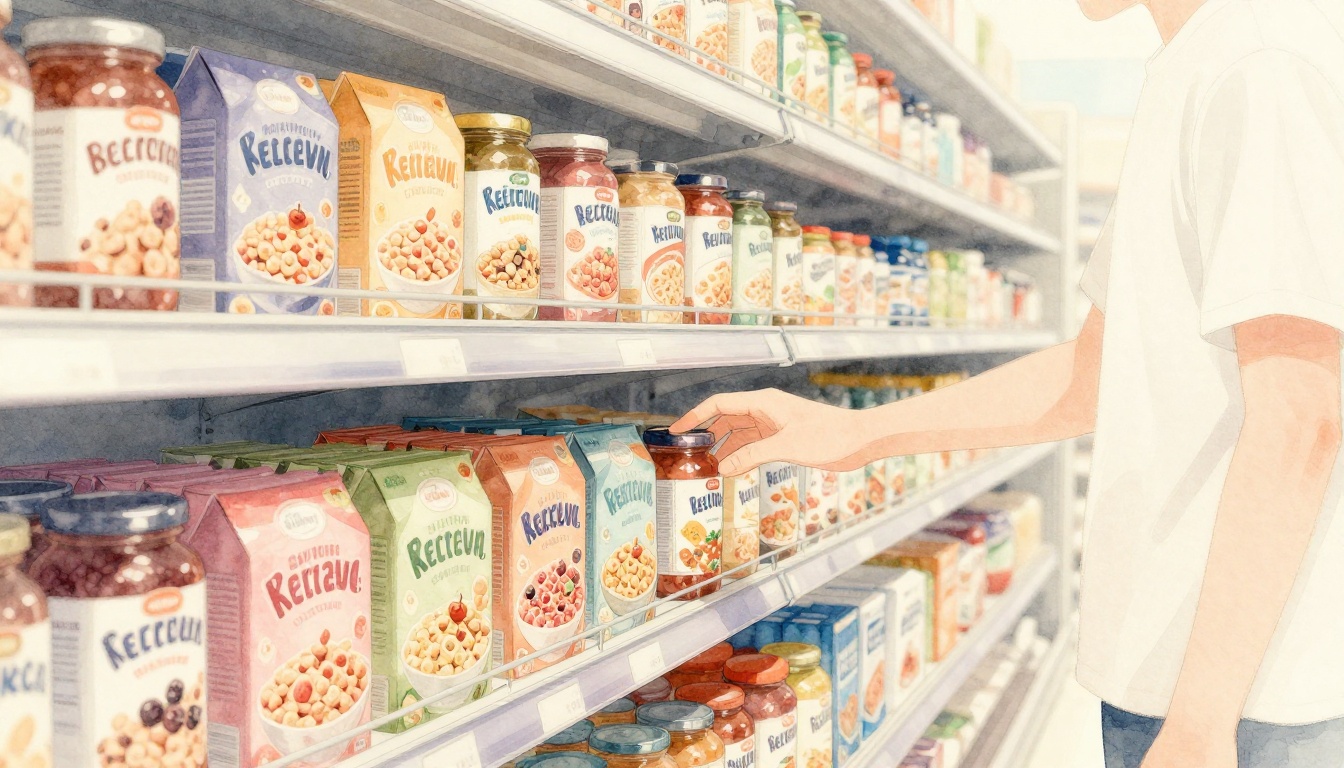
Picture this. You stand in the grocery aisle. Fifty cereal boxes stare back. Colors dazzle. Flavors promise joy. Yet you freeze. Nothing appeals.
That’s choice overload. More options sound great. They often backfire. In Sheena Iyengar’s famous 2000 jam study, shoppers loved 24 flavors. Only 3% bought. Cut to six jams. Sales jumped tenfold. Recent work confirms it. Stanton Hudja’s 2026 Illinois Tech study shows folks cling to familiar picks. They skip risks from unknowns. Stress rises. Happiness dips.
You face this daily. Streaming queues. Job listings. Menu pages. Good news. Simple steps help. You’ll spot overload signs first. Then trim options quick. Build habits that last. Let’s break it down.
Spot the Telltale Signs You’re Overwhelmed by Choices
Your body signals trouble before your mind does. Headaches creep in. Shoulders tense. Studies link this to high cortisol. That stress hormone spikes with endless picks.
Mentally, regret loops play. You pick one thing. Then wonder about others. Experts call it counterfactual thinking. “What ifs” drain you. You stall. Or fall back on old habits. No new ground.
Everyday spots hit hard. Restaurants menus blur. Job sites endless scroll. Grocery carts stay empty. A decision fatigue review notes this weakens willpower. By afternoon, choices suffer.

Check these signs:
- Physical tension builds. Muscles ache from stress.
- Mind races with doubts. Second-guessing rules.
- Action halts. You delay or quit.
- Defaults win. Same old choices repeat.
Hudja’s research explains why. Unfamiliar options scare. Time pressure adds up. Stakes feel huge. Catch it early. Act sooner.
Common Triggers That Make Choices Feel Impossible
Unfamiliar items pile on first. You scan labels. Nothing clicks. Deadlines rush you next. Big outcomes loom. Career shifts. Retirement plans.
Personal goals stay vague too. “Better health” lacks shape. Procrastination wins. Qualtrics data shows 62% hate extra steps. McKinsey notes cognitive load cuts buys 40%.
Real scenarios hurt. Sustainable products overwhelm. Endless green claims confuse. Or pick a phone plan. Features blur. You bail.
Spot triggers. Pause. Reset.
Cut Your Options Down Fast with These Proven Tactics
Limit to three to six picks max. Iyengar’s data backs it. Sales soar. Defaults guide well.
Start simple. List two must-haves. Rank the rest quick. Or grab paper. Pros and cons in five minutes. Time-box it. Set a timer for ten. Fatigue fades.
Aim for good enough. Skip perfect. That’s satisficing. It frees you.
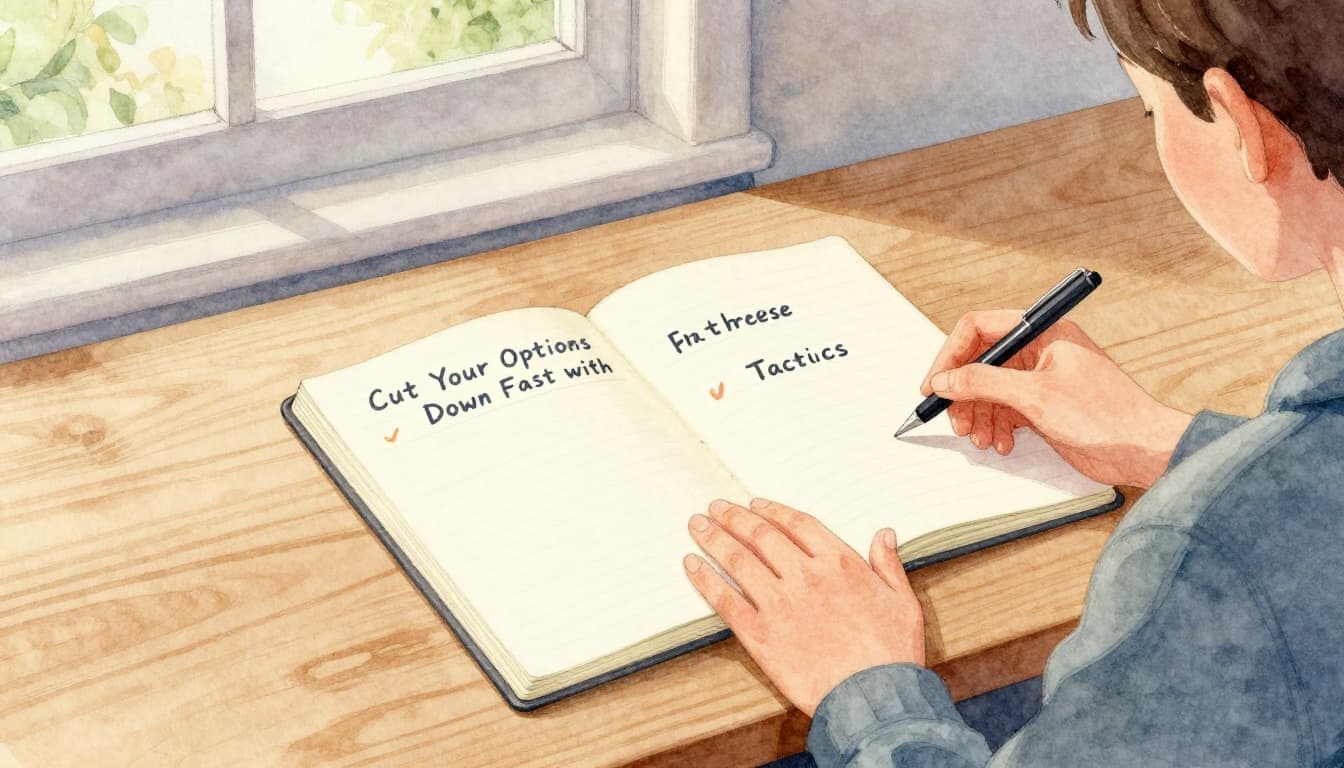
Try this now:
- Name your goal clear.
- Pick top three options.
- Score each on must-haves.
- Choose the winner. Move.
Cognitive behavioral tricks build trust. Hudja suggests test one new item. Balance pays off. Experts at How to Think AI agree. Fewer choices sharpen focus.
Automate and Batch to Save Brainpower Daily
Repeat choices drain most. Fix your coffee order. Plan weekly meals. Batch outfits Sunday night.
Doctors like Lisa MacLean advise it. Save energy for big stuff. Dopamine crashes follow hype too. High hopes flop. Steady wins.
You reclaim hours. Stress drops.
Create Lasting Habits to Dodge Choice Overload Forever
Set rules upfront. Must-haves for buys only. Automate subscriptions. App defaults lock in.
Explore slow. One new option weekly. Small wins stack. Confidence grows. Therapy helps if stuck.
Brands simplify now. Fewer menus sell more. Sustainability ties in. Less choice cuts delay.

Hudja’s Illinois Tech study shows familiar feels safe. Flatten cortisol spikes. Chase real rewards.
Track habits. Note one win daily. Challenge yourself. Week of capped choices.
Leverage Science for Smarter Daily Routines
Neuroscience keeps it simple. Skip cortisol floods. Steady dopamine flows better.
Avoid hype traps. Hudja notes risk dodge. Use pros/cons apps. Quick ranks help.
Routines build ease. You thrive.
Too many choices rob joy. Limits bring it back. Jam sales proved it. Hudja’s work warns of risk fear.
Pick one tactic today. Cap Netflix at five shows. Track your week.
Fewer options mean real freedom. Enjoy more. Start now.