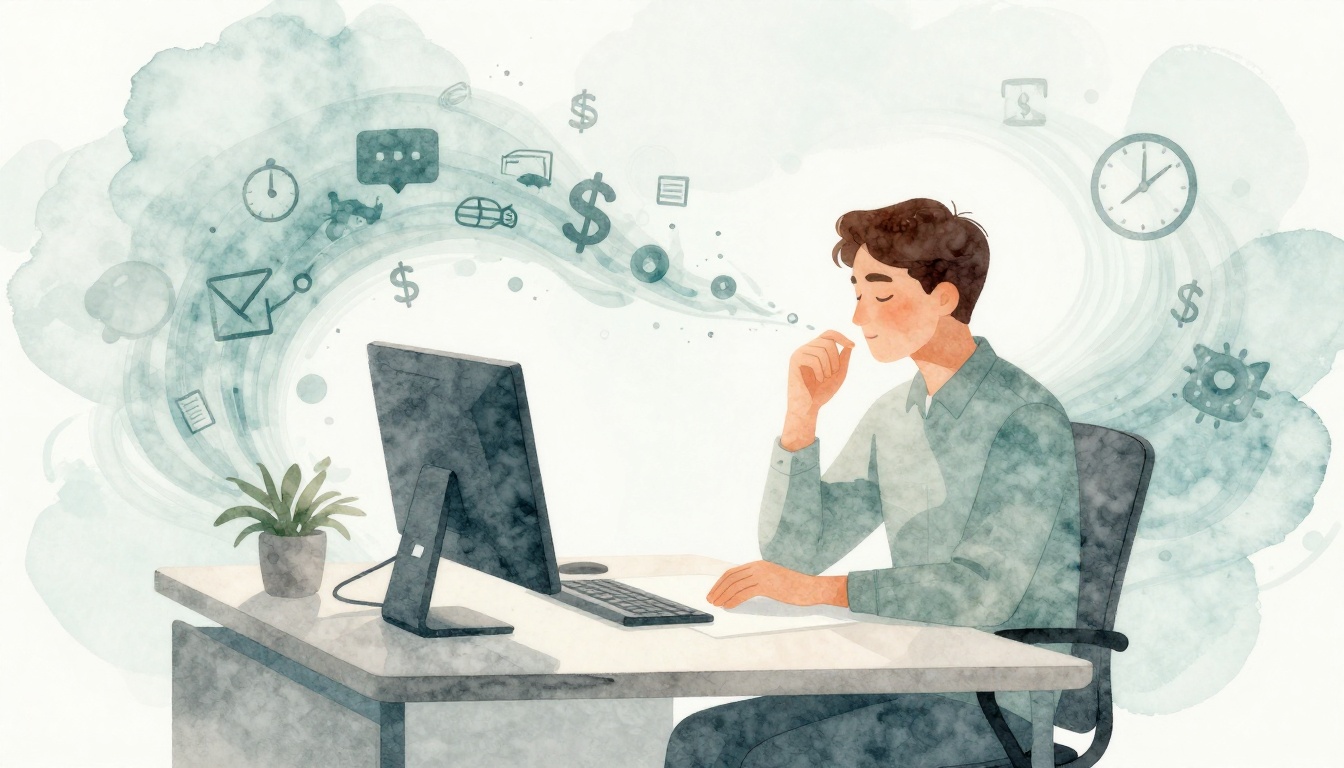
Picture this: it’s March 2026, and your phone buzzes nonstop with news alerts about the economy. Work deadlines stack up while emails flood your inbox. Your chest tightens. Thoughts race. You snap at a coworker or freeze on a simple task.
Stress hits like that for many Americans. Recent surveys show 48% worry more about money than last year. Work stresses 69% of adults, with burnout at 83%. These triggers spike cortisol, your body’s stress hormone. It clouds judgment and amps up fight-or-flight mode. But one friend tried a quick breath trick during a meeting meltdown. She paused, breathed deep, and nailed her presentation.
You can do the same. This post shares practical steps, from spotting triggers to building habits. Backed by 2025-2026 studies and CDC tips, they help you think straight under pressure. Let’s start by naming those sneaky stress culprits.
Spot Everyday Stress Triggers That Steal Your Focus
Constant notifications wreck your calm. Phones ping with social media, work chats, and ads. This overload interrupts focus and raises anxiety. Your brain struggles to switch tasks. As a result, everything feels urgent.
Money tops the list too. About 54% stress over daily costs. Low income hits 46%, and debt worries 35%. Add job fears at 33%, and sleep suffers for 78%. Politics and the economy stress 75%. Younger adults face extra hits from AI at work and screen time.
Work piles on. Long hours lead to “quiet burnout.” Notifications from Teams or Slack demand replies now. This constant pull drains energy. Health bills and climate fears add up. Meanwhile, relationships strain under home pressures.
Early signs warn you. Notice a tight chest or racing mind. Shallow breaths or fidgeting signal trouble. Awareness cuts stress cycles, per studies. Spot them fast to act before panic sets in.
Check yourself daily. Ask: What’s my biggest pull right now? Tight muscles? Foggy head? Jot one trigger. This simple step builds control.

For more on how notifications spike stress, check this breakdown of brain impacts.
Instant Calm Techniques to Think Straight Right Now
Quick tools reset your mind fast. They shift you from panic to present. Studies from 2025 show they lower cortisol by up to 32% and boost heart calm. Use them in meetings or traffic. Pick one and try it now.
These activate rest mode. Your vagus nerve chills the stress system. Focus sharpens for smart choices. Practice builds speed.
Box Breathing: Flip the Switch on Stress Like a Pro
Navy SEALs swear by box breathing. Inhale for 4 counts. Hold 4. Exhale 4. Hold 4. Repeat 3-4 times.
It signals safety to your brain. A 2025 meta-analysis of 52 trials found cortisol drops 32%. Heart variability rises 48%. Women in one study went from 100% high stress to zero.
Sit straight. Eyes close optional. Common mistake: rush counts. Slow down. Do it before big talks.
Practice daily for 10 minutes. Retired SEALs share how it sharpens minds.

5-4-3-2-1 Grounding: Snap Back to the Moment
Name 5 things you see. 4 you touch. 3 you hear. 2 you smell. 1 you taste.
This pulls you to now. Thought spirals stop. It overrides worry loops fast.
Picture a deadline crunch. You list: chair, window, pen. Desk edge, sleeve, floor. Clock tick, fan hum, distant talk. Coffee scent, fresh air. Gum taste.
Studies back sensory shifts for calm. No 2026 cortisol data yet. But it works in real spots.
Body Scan: Melt Away Tension Without Effort
Start at your head. Notice tension. Breathe into it. Release. Move to neck, shoulders, down to toes.
This drops stress hormones. Easy in bed or lines. Takes 2 minutes.
Feel scalp tingle. Jaw clench? Soften. Chest tight? Expand. Feet heavy? Wiggle.
Regular scans build body awareness. Pair with breath for double calm.
Reframe Tough Thoughts for Smarter Stress Moves
Stress twists thoughts. “This ruins everything” feels true. But reframe them. Ask: What’s the next right step?
Spot the signal first. Heart races? Pause. Shrink worry to one hour. “I’ll handle this block now.”
Journal helps. Write anxious thought. List facts. “Deadline looms. But I finished half. Break to three tasks.”
This builds control. A 2023 prospective study shows reappraisal cuts daily stress. It matches meds for some. Brain scans link it to calmer circuits in PTSD.
Take deadline panic. Reframe: “Tough, but list actions.” Progress flows.
Try a worksheet. Column one: worry. Two: facts. Three: step. Do it weekly.
See recent studies on reappraisal for resilience.
Examples stick. Traffic jam? “Extra podcast time.” Fight with spouse? “We fix this often.”
Practice shrinks fears. Mind organizes. Choices improve.
Daily Habits That Make You Unshakable Under Pressure
Small routines prevent meltdowns. CDC pushes 7-9 hours sleep. It fights foggy thinking and isolation.
Walk 20 minutes daily. Endorphins drop cortisol. Limit news before bed. Connect with friends.
Start tiny. One habit weekly. Track wins.
These cut burnout long-term. Studies show sleep trumps diet for lifespan, minus smoking.
Lock in Sleep and Movement for a Sharper Mind
Bed at same time nightly. Dark room, no screens hour before. Bed for sleep only.
CDC says 7-9 hours repairs body. Poor sleep sparks fights, weak ties.
Move most days. Walks boost mood, energy. Avoid hard workouts near bed.
A 2026 study ties inactivity to bad sleep rules.

CDC’s full stress coping guide covers sleep basics.
Quiet the Noise and Lean on Your People
Cap news at 30 minutes. Mute non-essentials. Scrolling wires anxiety.
Friends recharge. Chat weekly. 80% say good sleep aids social fun.
Build routine: morning breath, lunch walk, night check-in. Surgeon General notes loneliness rivals smoking.
2026 habits for less stress include these.
Spot triggers early. Grab a quick tool. Reframe thoughts. Stack habits daily.
Clear thinking breaks stress chains. Studies prove less burnout, sharper life. You dodge foggy regrets.
Pick one technique today. Box breath in traffic. Track it a week. Share your win below. You’ve got this amid 2026 buzz.